Ghani Khan — Poetry
"Pearls by millions I would gladly cede,
For the sake of tears borne of love and grief.
Death, go somewhere, get lost!
I'm not done as yet — Joy still flows from the amphora of colors into my cupped hands."
— Abdul Ghani Khan
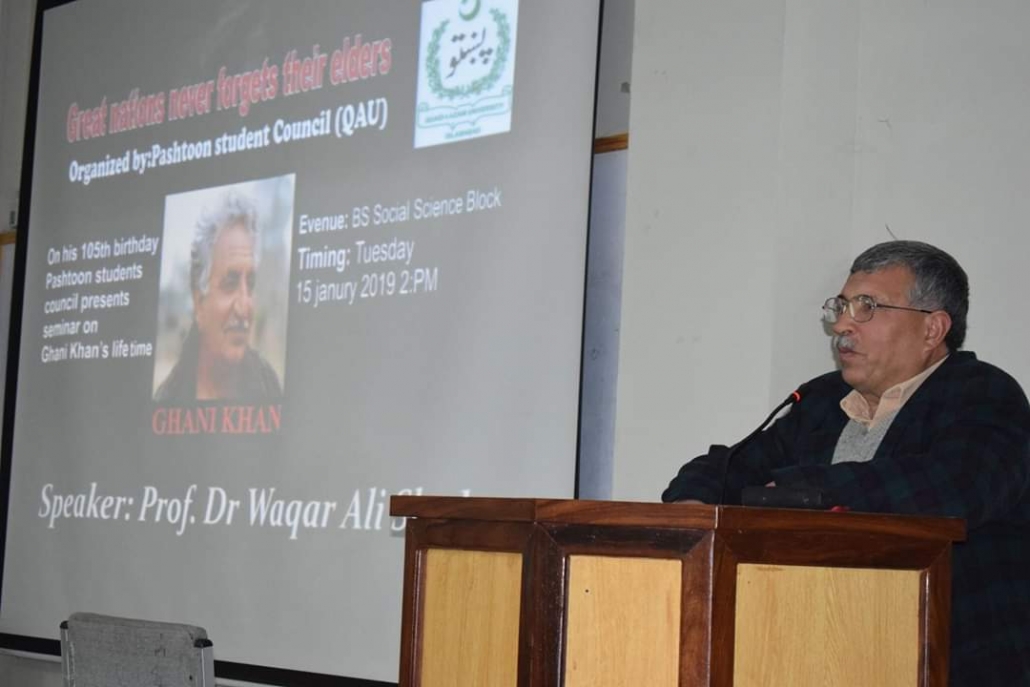
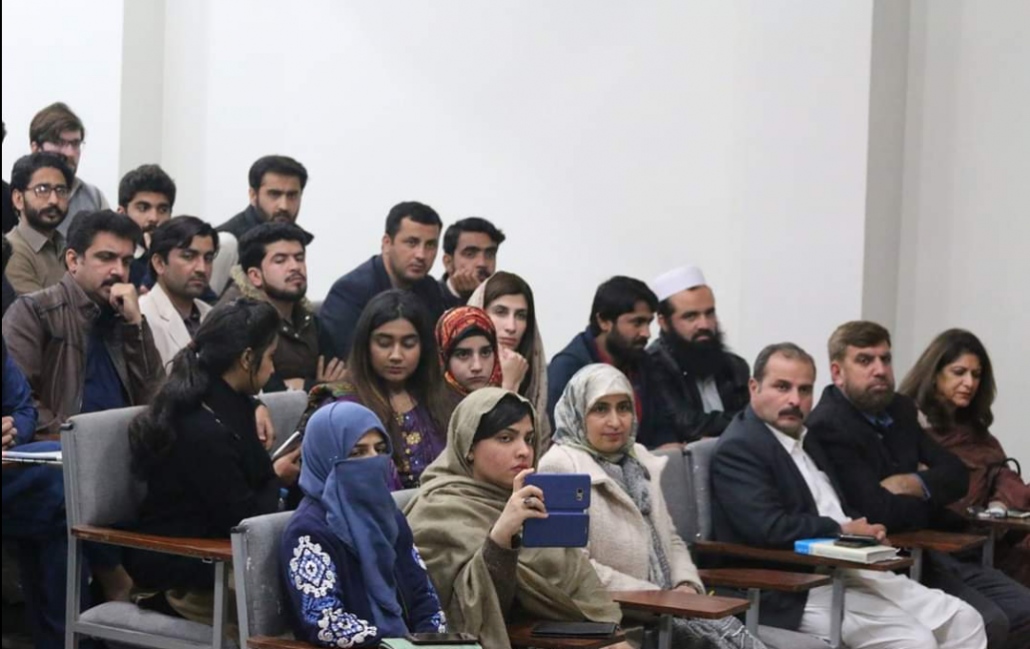
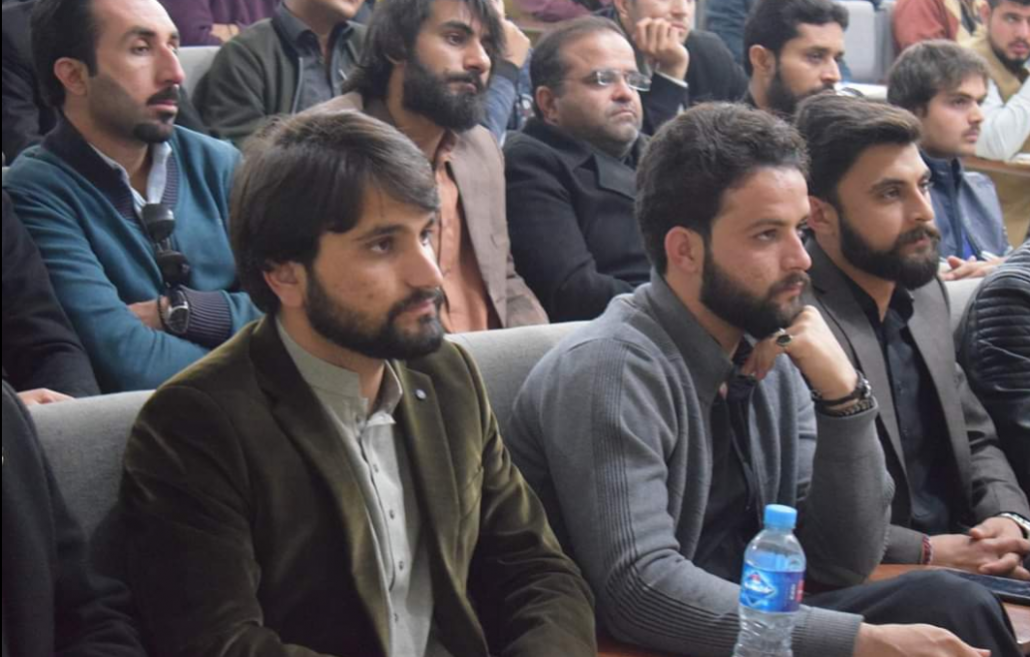
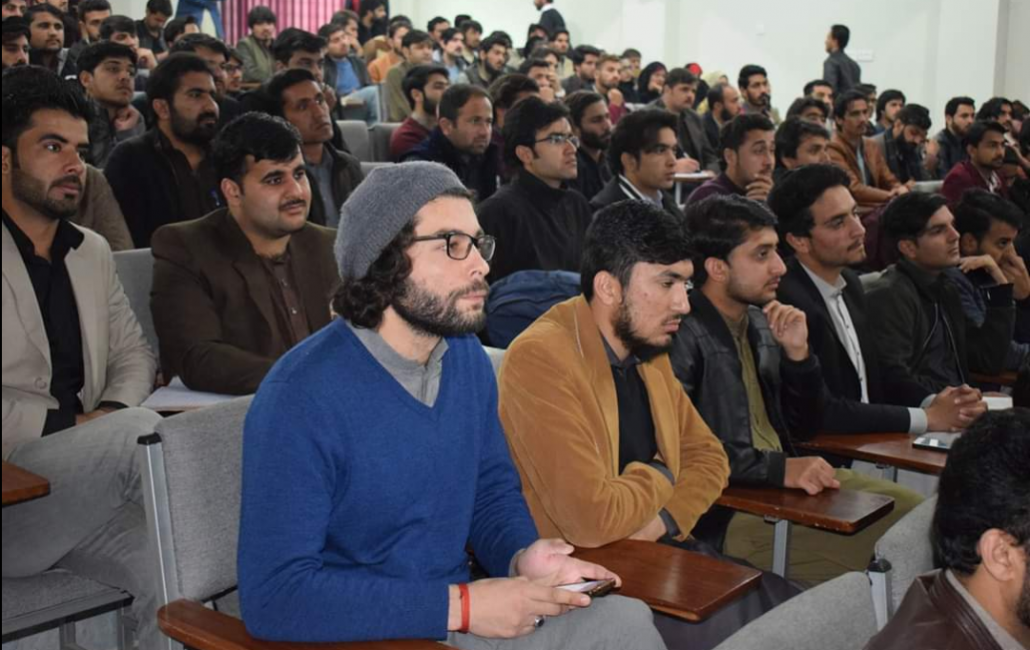
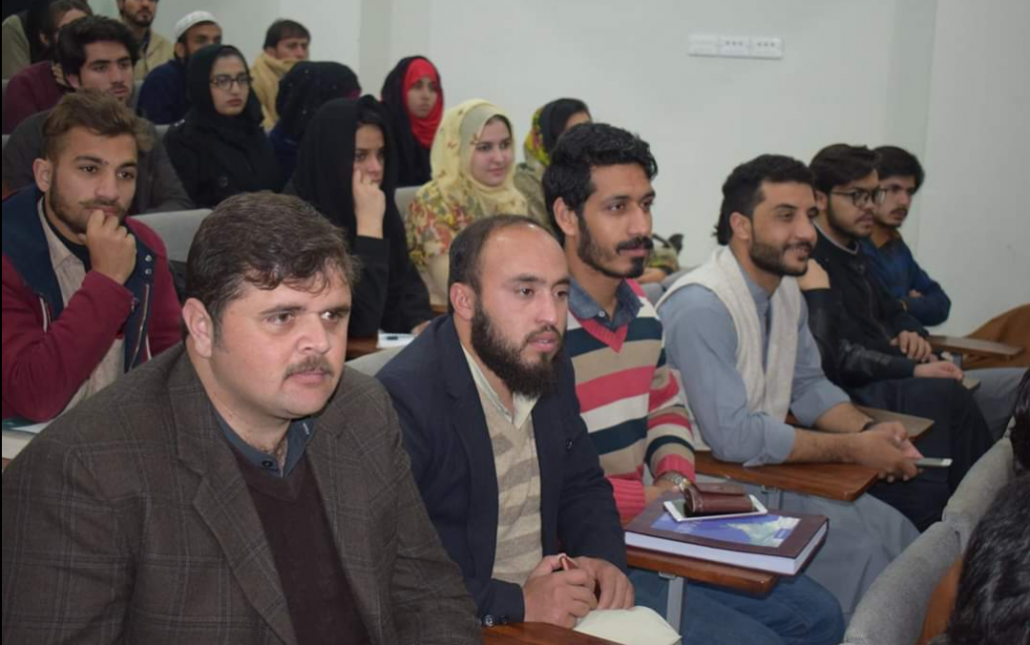
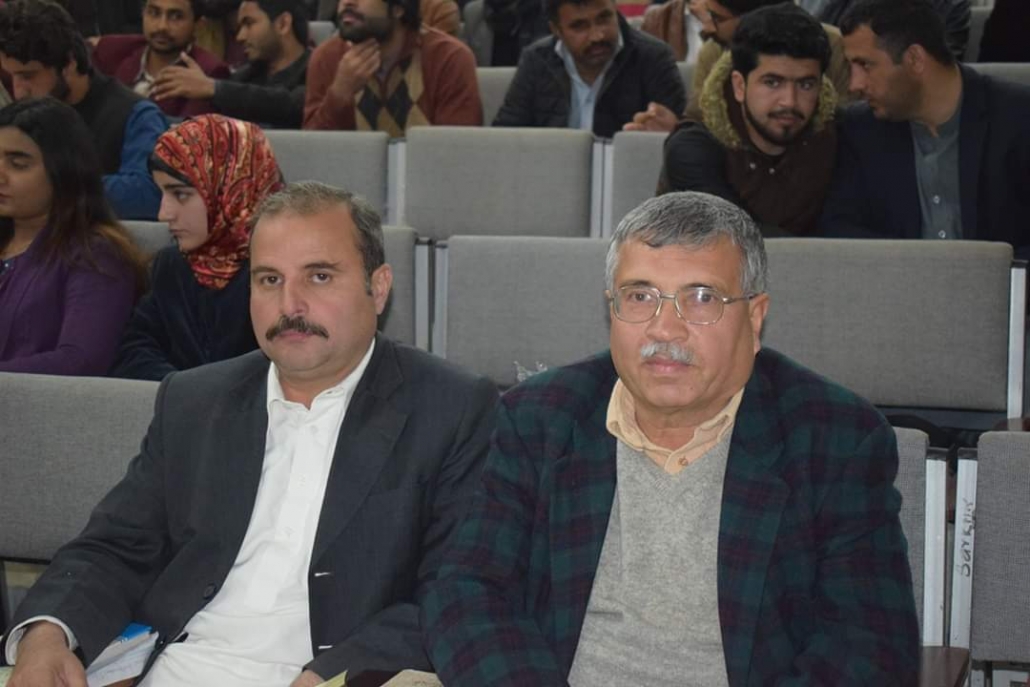
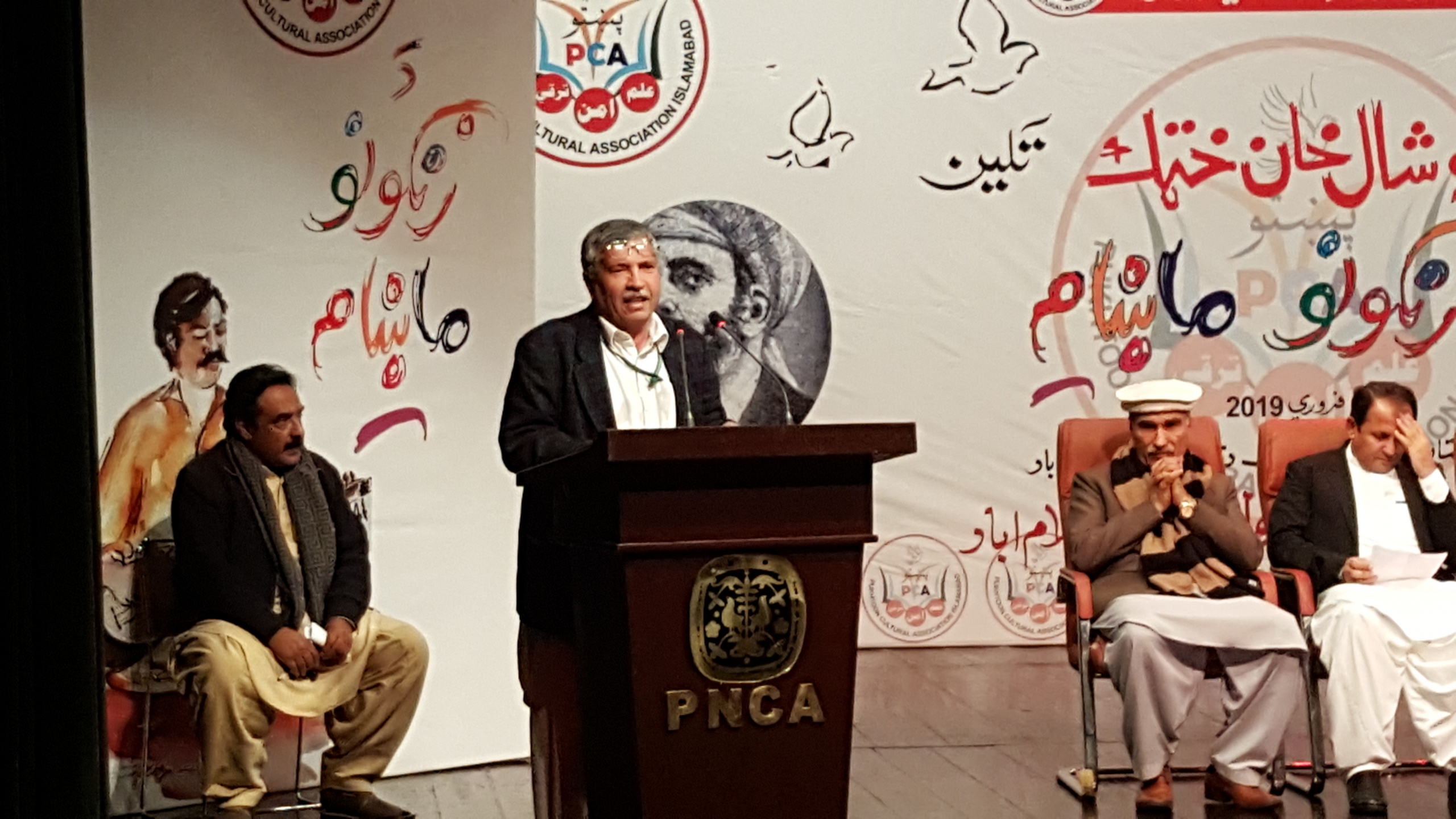
On the occasion of Ghani Khan's 105th Birthday, the
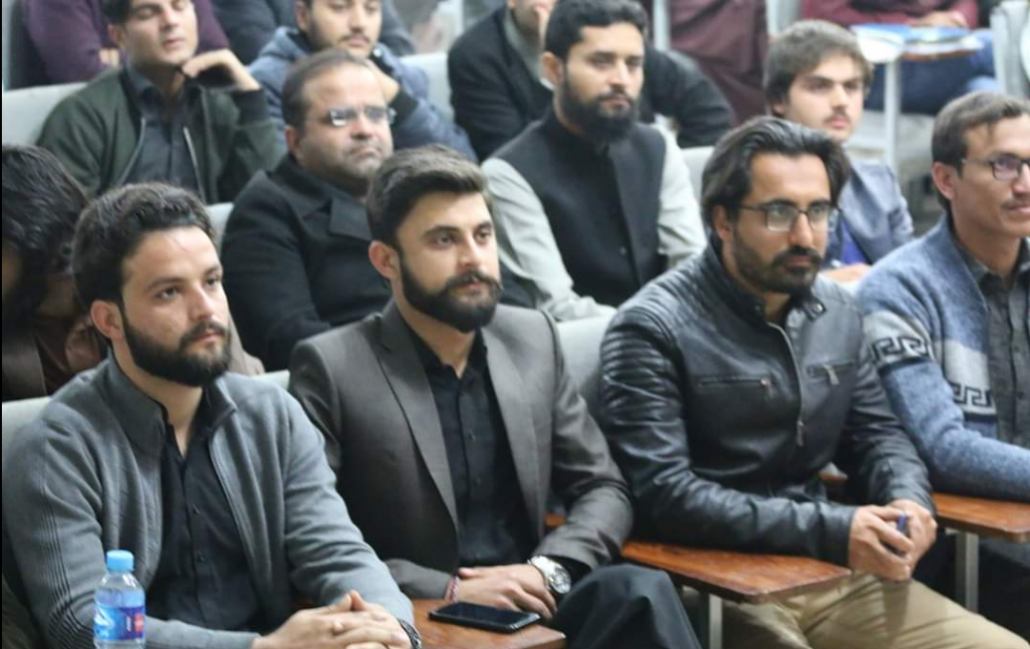
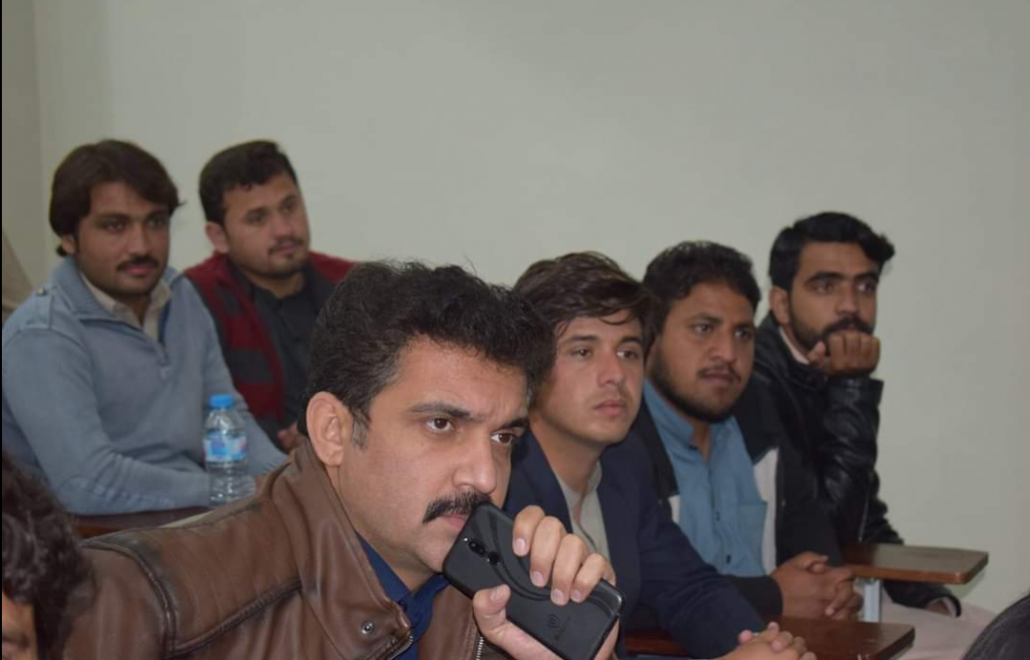
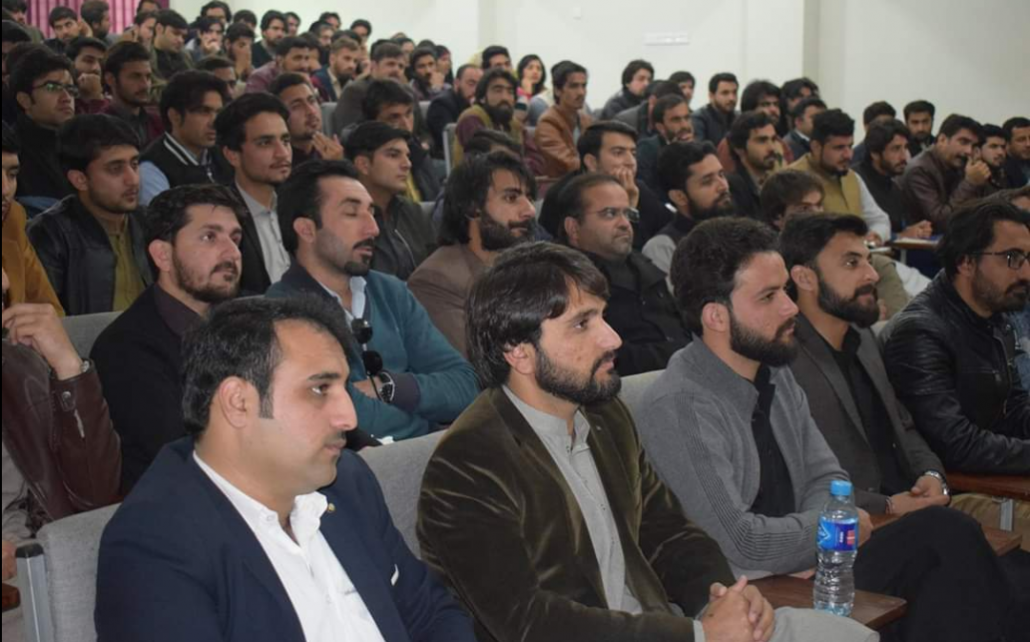
Pashtoon Student Council of Quaid-i-Azam University arranged a seminar
celebrating the life and legacy of one of the greatest Pashtun poets and intellectuals of
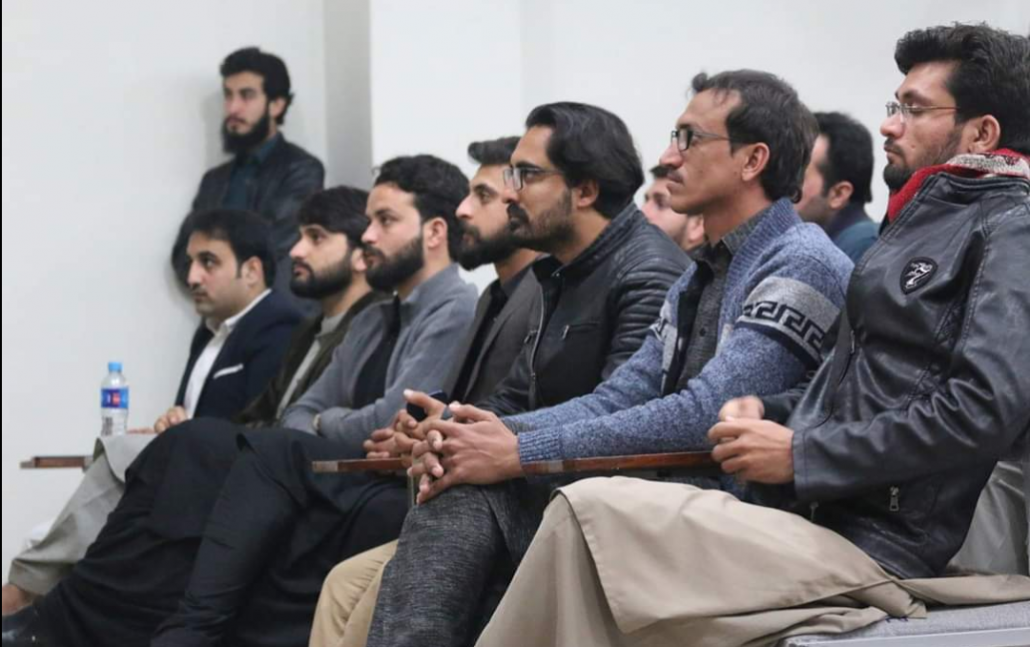
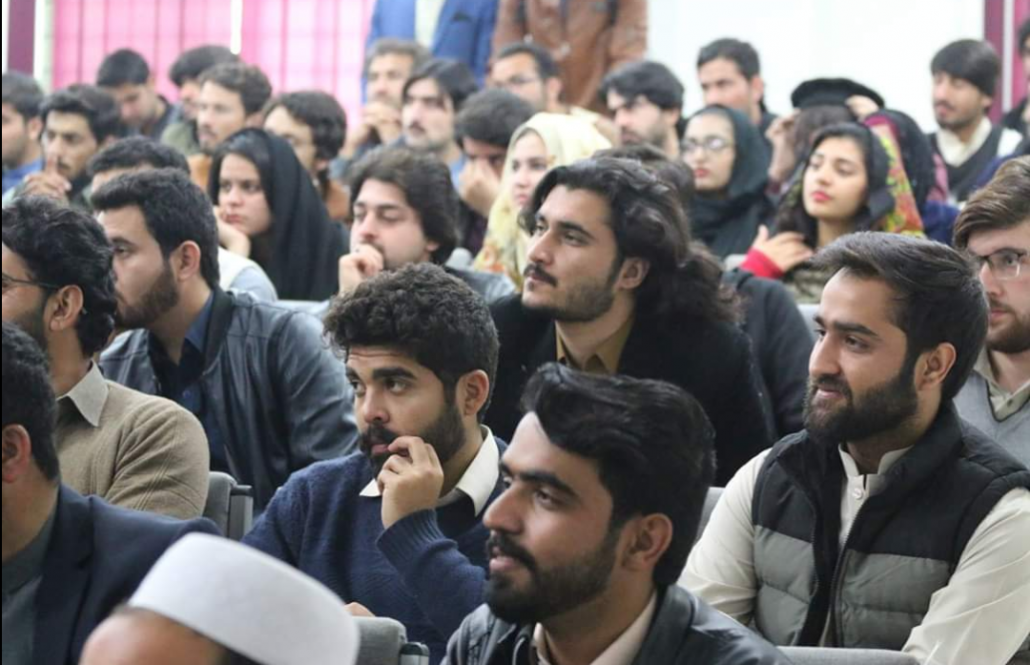
the twentieth century. The event brought together students, faculty, and lovers of Pashto
literature to honour a man whose words continue to illuminate the Pashtun spirit.
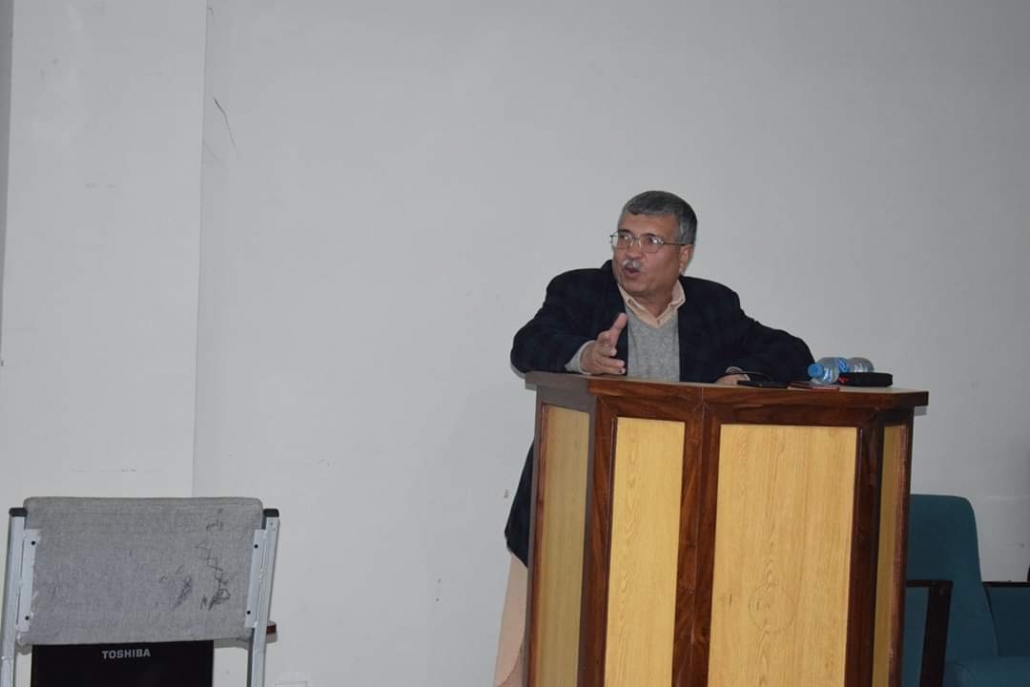
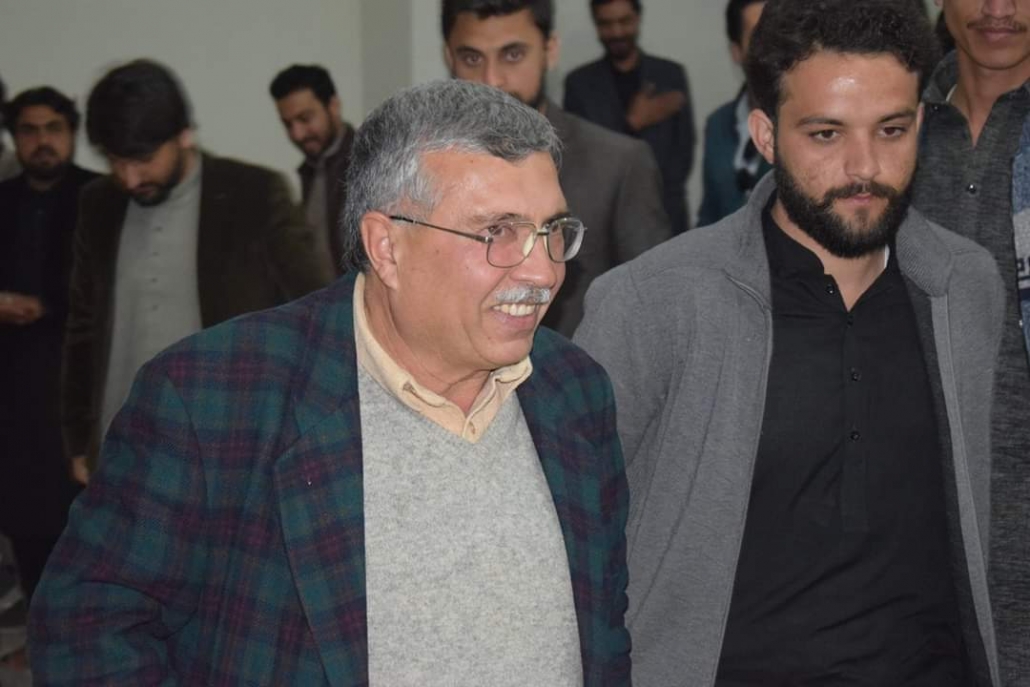
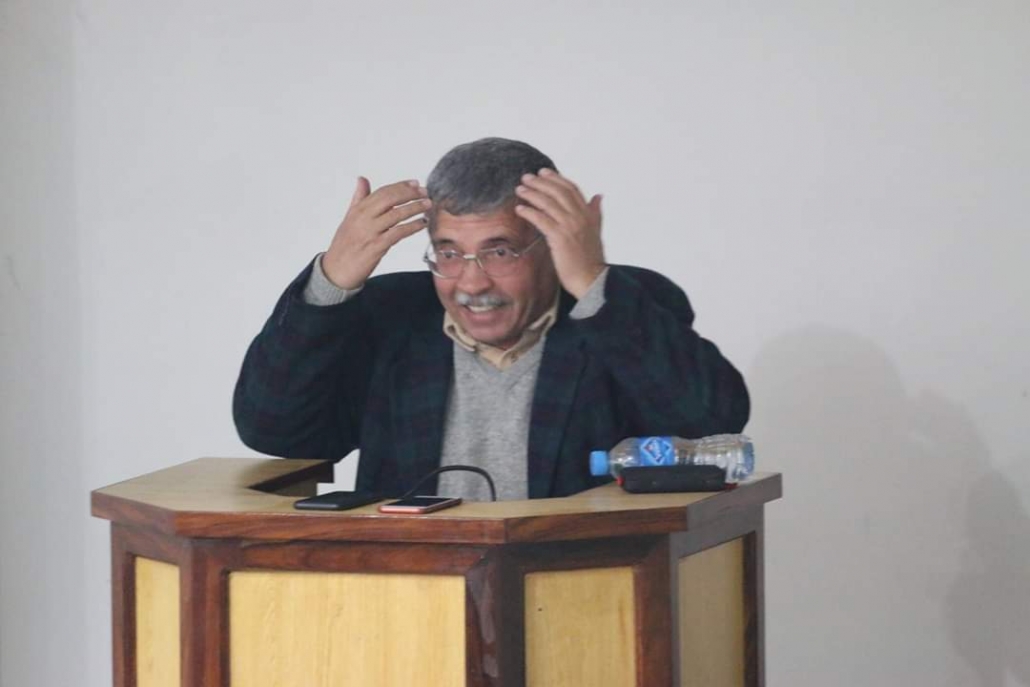
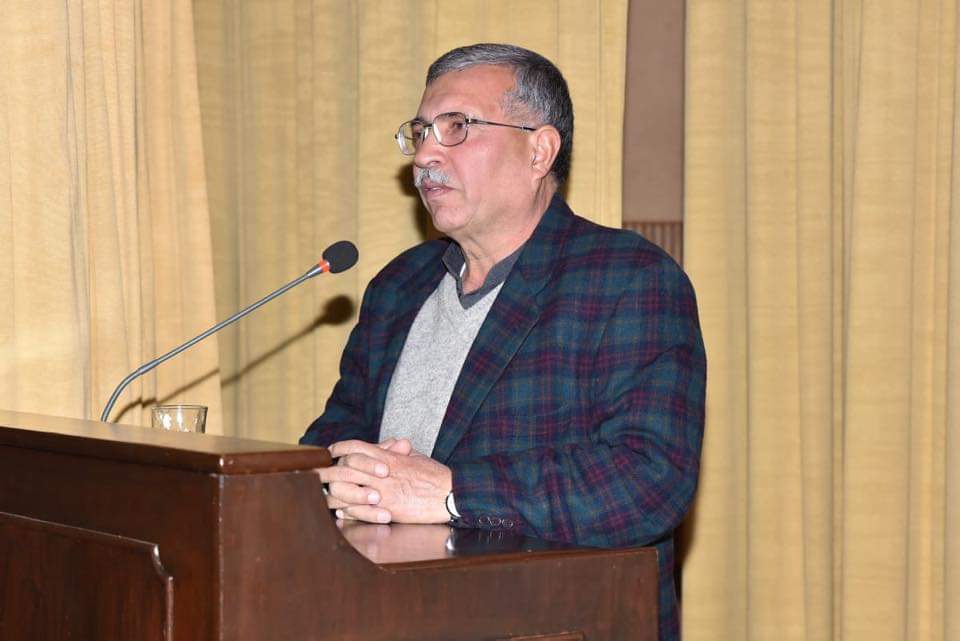
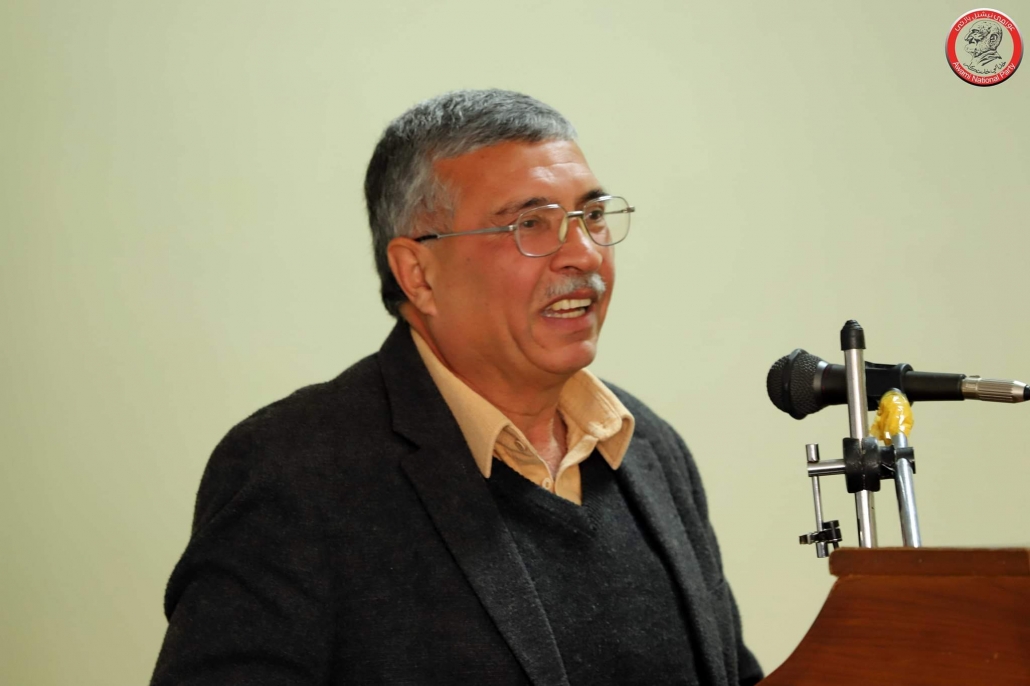
Prof. Dr. Sayed Wiqar Ali Shah — internationally recognised as an authority
on Ghani Khan and the Khudai Khidmatgar Movement, and author of
Abdulghani Khan: Zwand ao Zamana (Life and Times) — elaborated richly on the life and
times of Abdul Ghani Khan. His talk was a journey through one of the most
extraordinary lives in the history of the Pashtun people.
"Ghani Khan studied at Shantiniketan under Rabindranath Tagore and encountered Gandhi,
Nehru and many other great leaders — yet he remained most powerfully himself: a Pashtun,
a poet, and a free spirit."
— Prof. Dr. Sayed Wiqar Ali Shah · QAU, Islamabad, 15 January 2019
Ghani Khan — Pashto Verse (Recited at the Seminar)
"Zor hasay peghor shee che himmat warsara mal na shi
wrak agha mashaal shaa che tayaara shi au day bal na shi"
English Translation
"What is power if not a taunt when not combined with courage —
Of what use is a torch at all which fails to light when darkness falls."
— Abdul Ghani Khan
Dr. Shah's account of Ghani Khan's time at Shantiniketan — Tagore's famous
institution of art, music and learning in Bengal — captivated the audience. He described
how the young Ghani Khan absorbed the great poet-philosopher's teachings on nature,
freedom, and the creative life, forging an artistic sensibility that would make his Pashto
verse unlike anything written before or since.
Ghani Khan's political life — his imprisonment, his solidarity with his
father Bacha Khan, his unwavering commitment to Pashtun rights and dignity — was the main
focus of the talk. Prof. Shah drew out the connections between Ghani Khan's art and his
activism: for Ghani Khan, poetry was not an escape from politics but its highest expression.
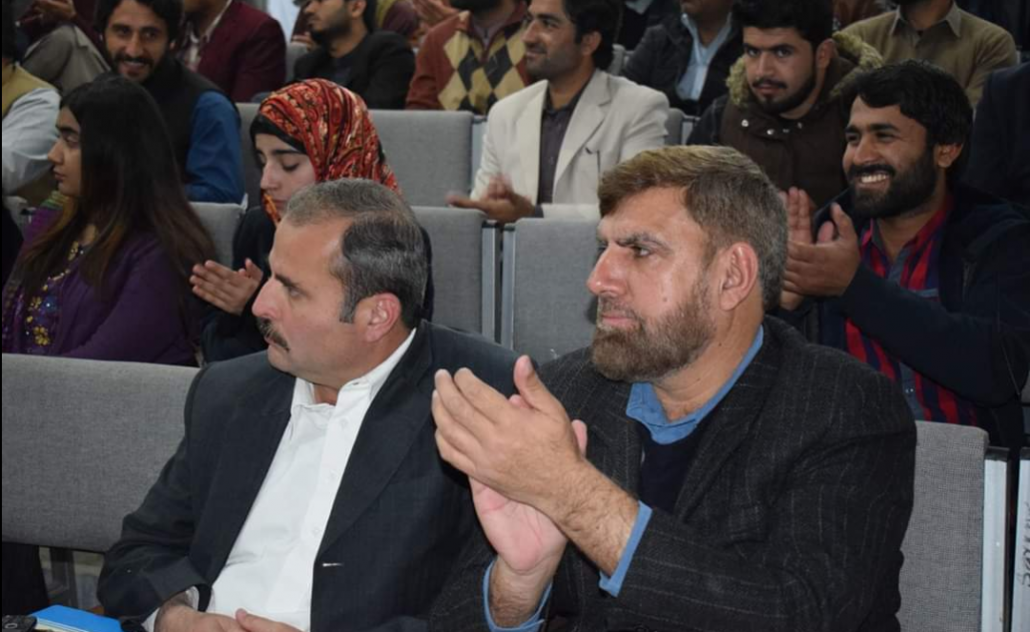
The seminar concluded with the recitation of some of Ghani Khan's finest verse, leaving the
audience — students and faculty alike — moved and inspired. The Pashtoon Student Council's
dedication in organising such events to keep the memory of great Pashtun leaders and
thinkers alive was warmly praised by all present.