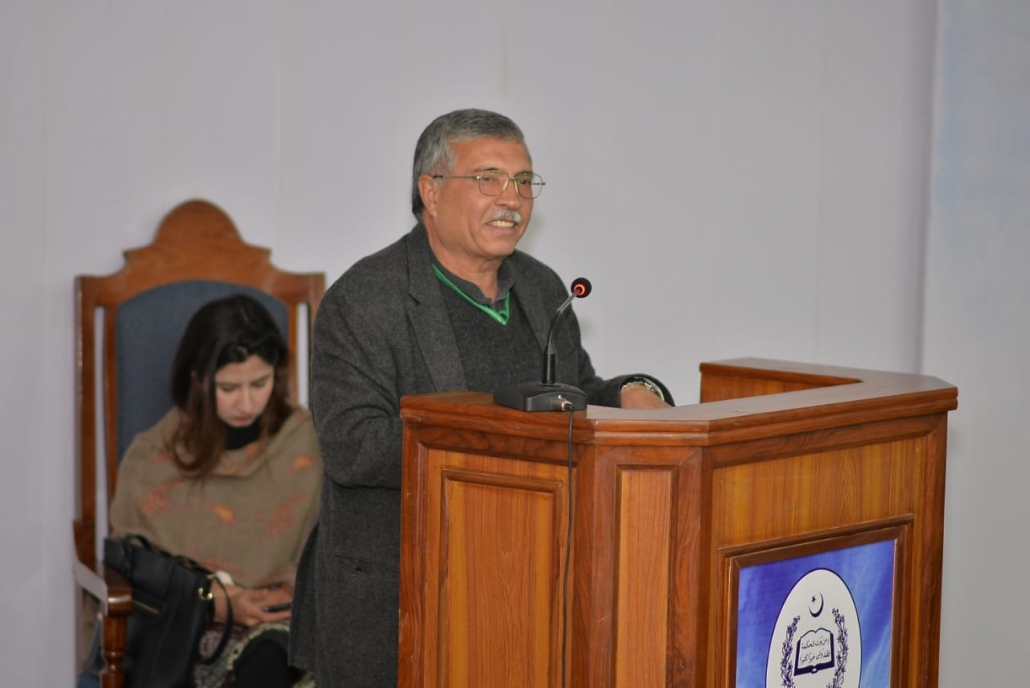
Conference Details
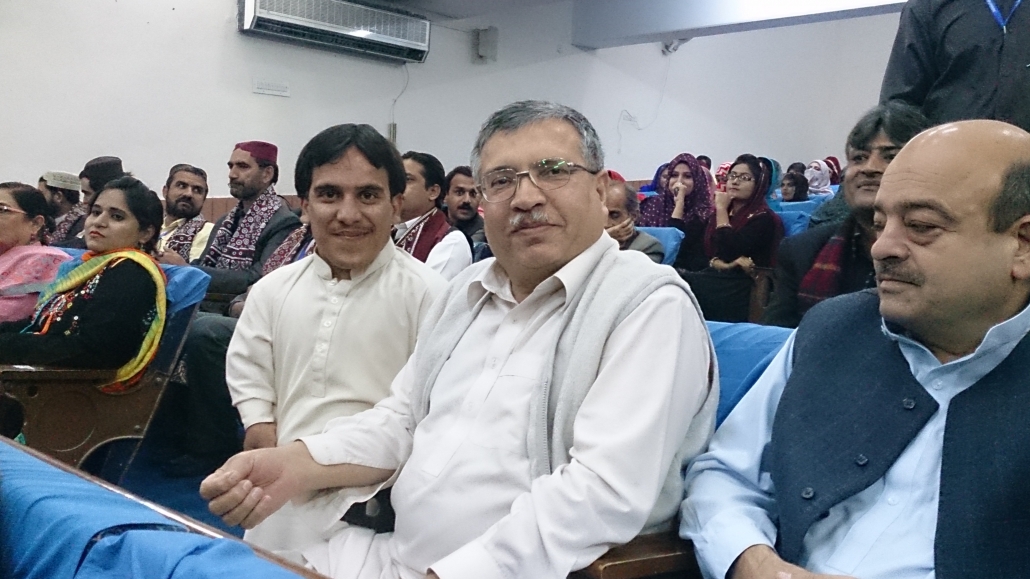
Jointly organised by Shah Abdul Latif University, Khairpur and the National Institute of Historical & Cultural Research, Quaid-i-Azam University, Islamabad — in collaboration with the Higher Education Commission (HEC), Islamabad.
Participants: Scholars from across Pakistan and abroad presented research papers on the history, culture and society of Sindh.
Paper by Dr. Shah: "Identity Crisis and the Responsibilities of the Present Pakistani Historians"
Date: 21 November 2015 · Shah Abdul Latif University, Khairpur, Sindh
This international conference on the history and culture of Sindh was a landmark
scholarly gathering that brought together researchers, academics, and cultural experts from across
Pakistan and beyond. Hosted at Shah Abdul Latif University, Khairpur — one of
Sindh's leading academic institutions — and jointly organised with the
National Institute of Historical & Cultural Research at Quaid-i-Azam University,
Islamabad, and supported by the Higher Education Commission (HEC), the
conference served as a major platform for advancing scholarship on Sindhi history, culture,
and identity.
Scholars from across the country and abroad presented their research papers covering a broad
range of topics relating to Sindh's rich civilizational and intellectual heritage.
"There is a need to rewrite history with a special focus on regional history — historians should
focus on the progressive leaders of India and Pakistan."
— Prof. Dr. Sayed Wiqar Ali Shah · Shah Abdul Latif University, Khairpur, 21 November 2015
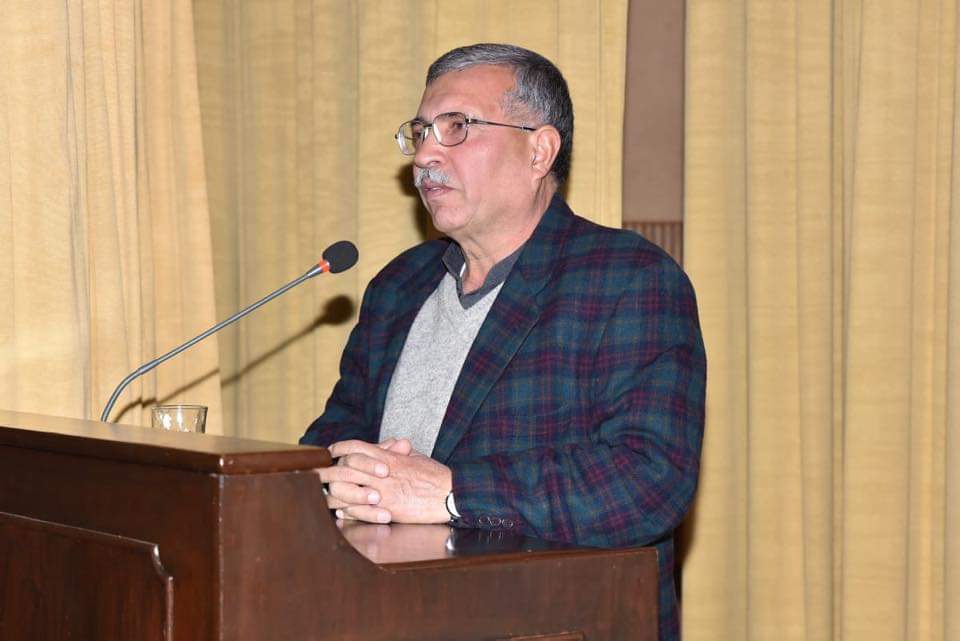
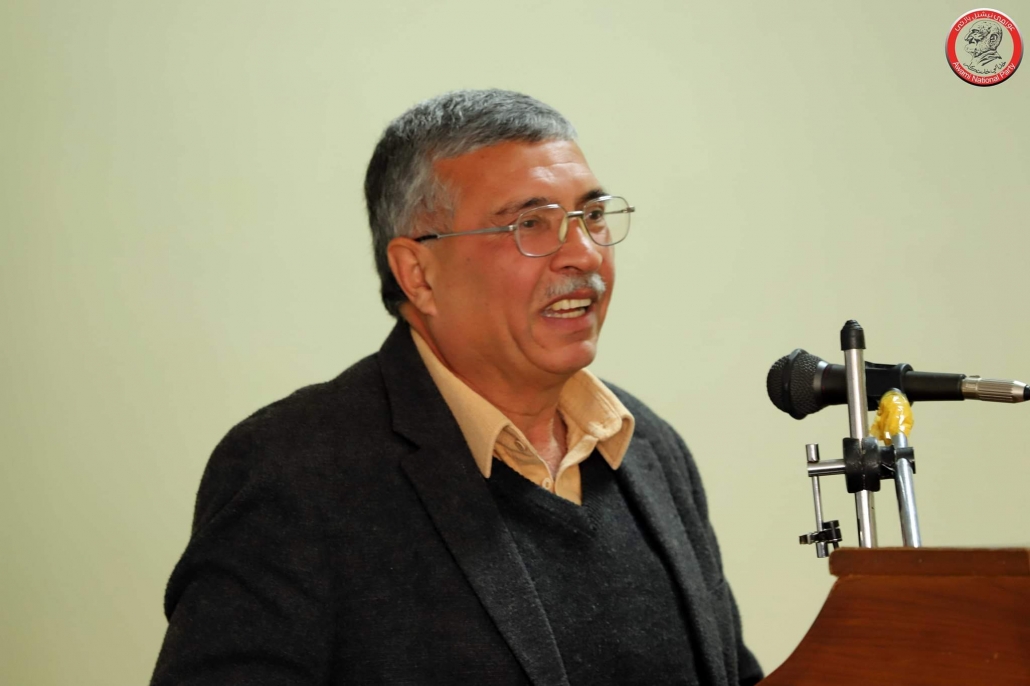
During the conference, Professor Dr. Wiqar Shah challenged some dominant notions
of what is presented as 'Pakistan's history'. Drawing on his authority as the author of
twelve books on South Asian history, he argued forcefully that the existing
national historical narrative was incomplete and required a fundamental reorientation.
He called for a deep emphasis on the rewriting of national history with primary
focus on the regional history of Pakistan — the histories of Sindh, Balochistan,
Khyber Pakhtunkhwa, and other provinces that form the rich mosaic of Pakistani nationhood. He
argued that Pakistan's identity crisis stems in part from an over-centralised historical narrative
that sidelines regional voices, languages, cultures, and leadership.
Highlighting the importance of recognising progressive leaders across the
subcontinent — those who worked for social justice, education, and the rights of ordinary people —
Dr. Shah positioned the historian's role as a moral as well as scholarly responsibility. He
reminded his audience that a nation cannot navigate its future without an honest and inclusive
reckoning with its past.
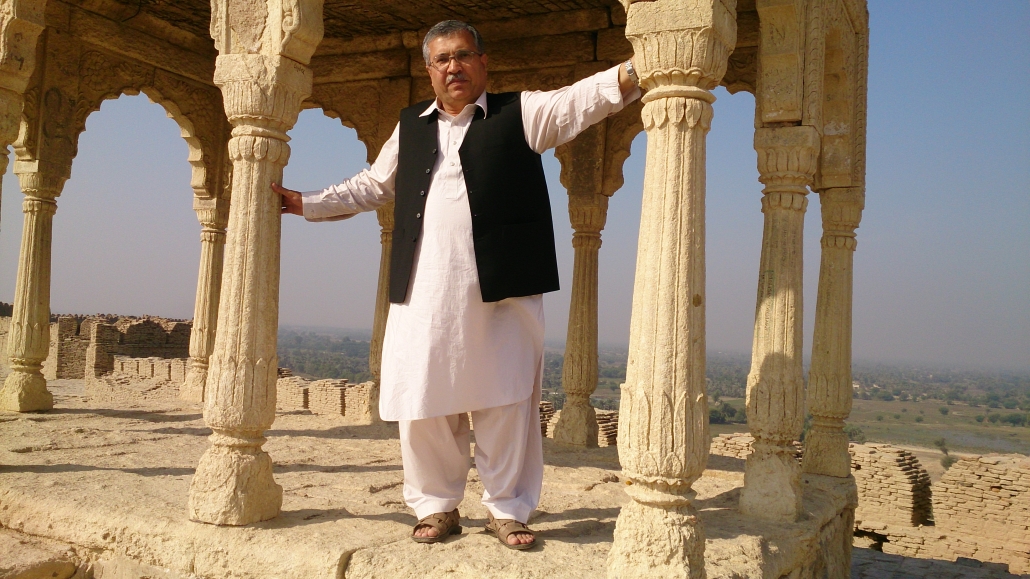
The conference, set against the cultural backdrop of Sindh — home to one of the
world's oldest civilisations in the Indus Valley — provided a fitting venue for such a call to
scholarly conscience. The sessions on Sufism, language, and gender further enriched the
conversation, and Dr. Shah's intervention was widely regarded as among the most provocative
and necessary of the proceedings.