Historical Context
Night of 27th December, 1979 — The Soviet Red Army marched into Kabul, beginning one of the Cold War's most consequential military interventions and plunging Afghanistan into decades of conflict.
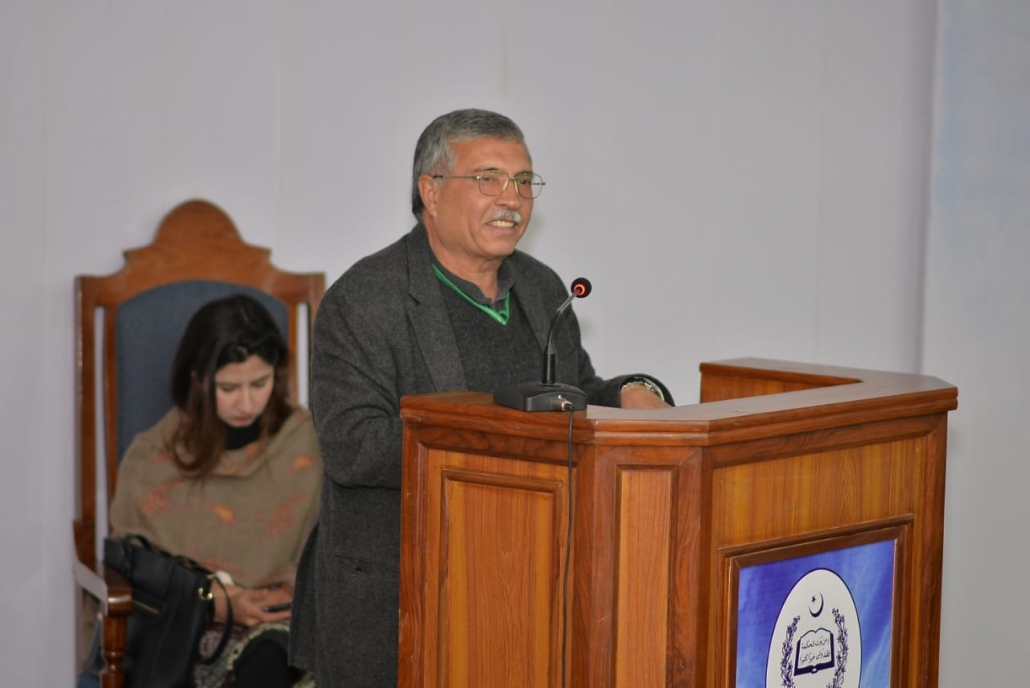
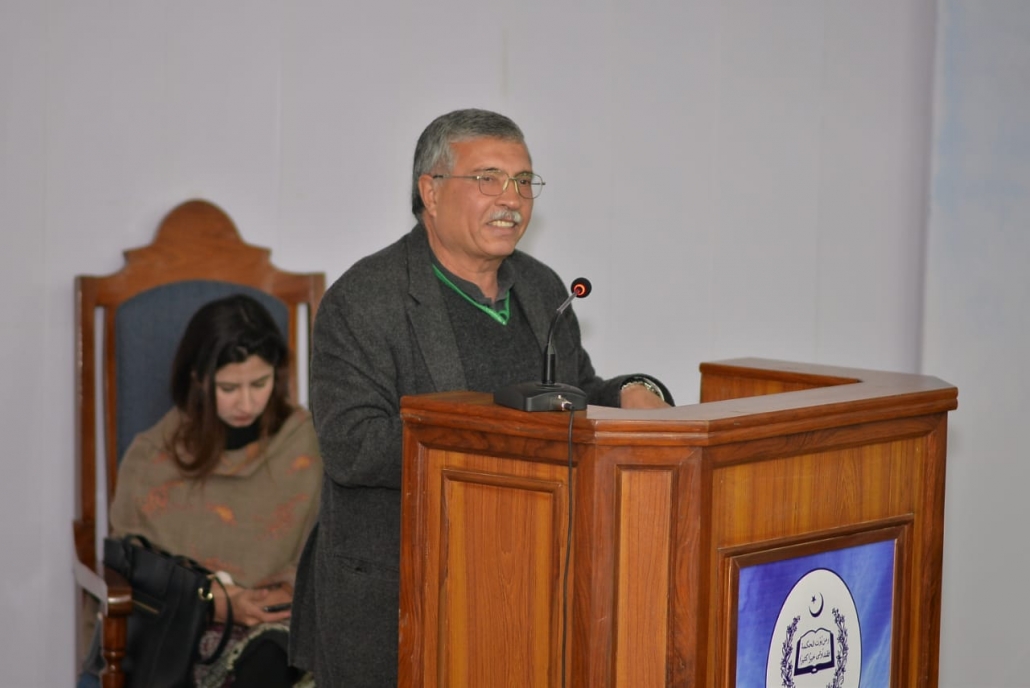
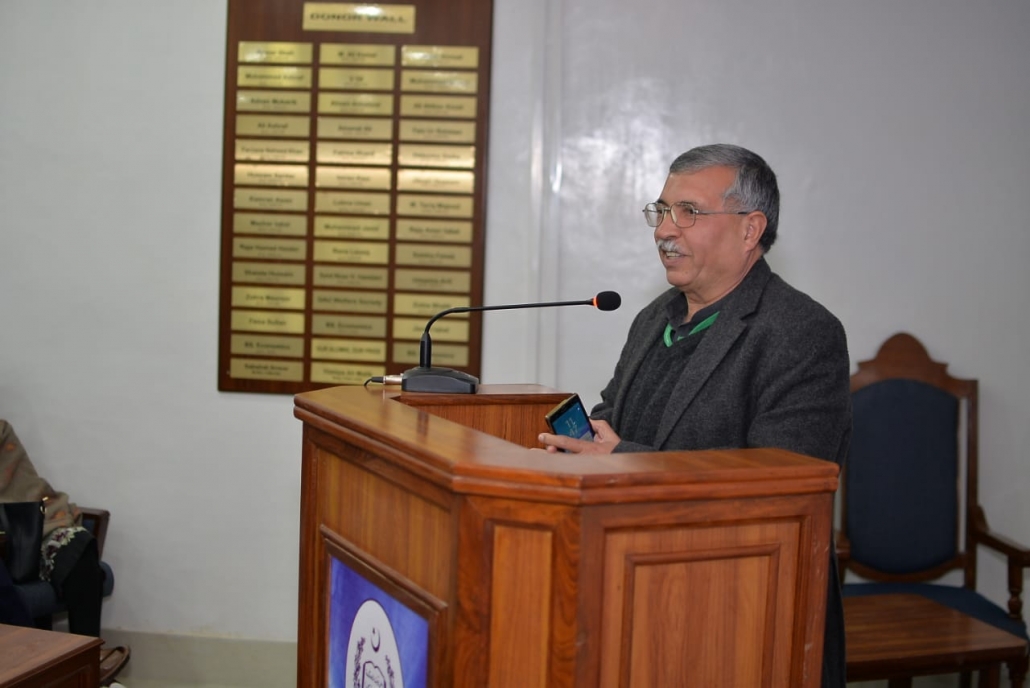
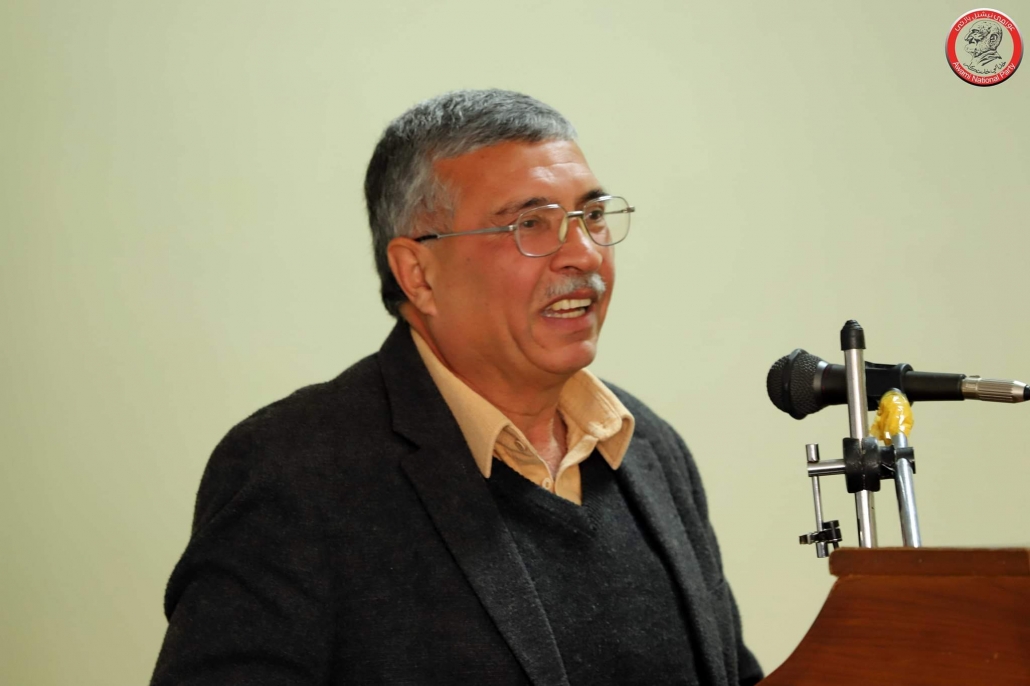
Eyewitness: Prof. Dr. Sayed Wiqar Ali Shah was present in Kabul on that fateful winter night and personally witnessed the arrival of Soviet troops, the ouster and assassination of Hafizullah Amin, and the occupation of the capital.
Significance: The Soviet invasion triggered a decade-long war, created millions of Afghan refugees, fuelled the Mujahideen resistance, and ultimately contributed to the collapse of the Soviet Union itself.
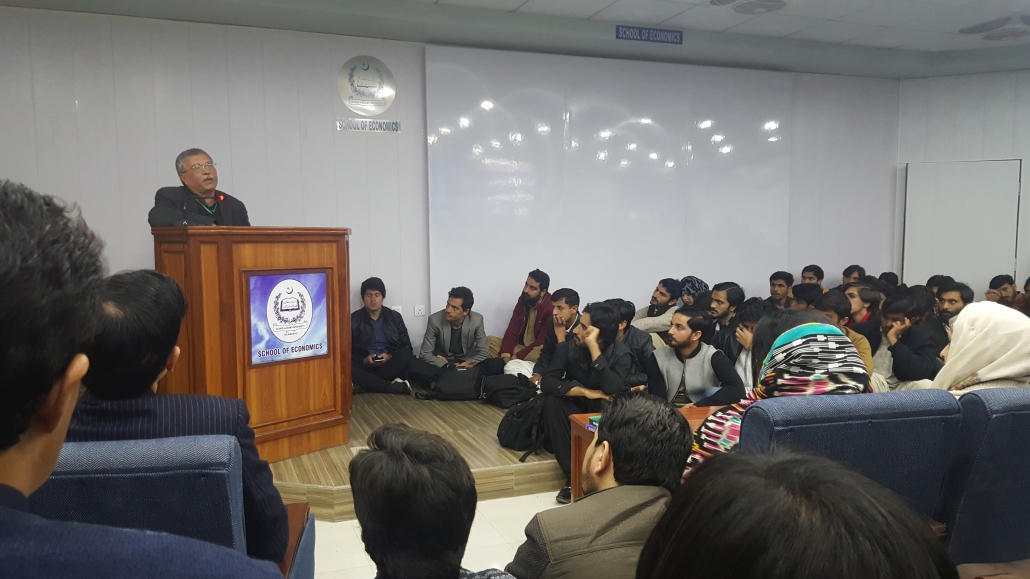
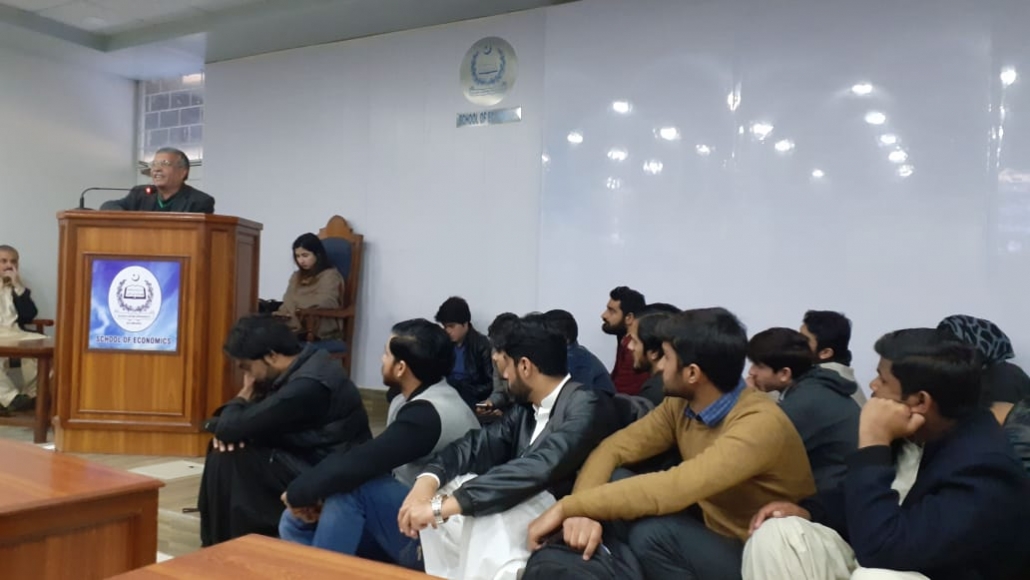
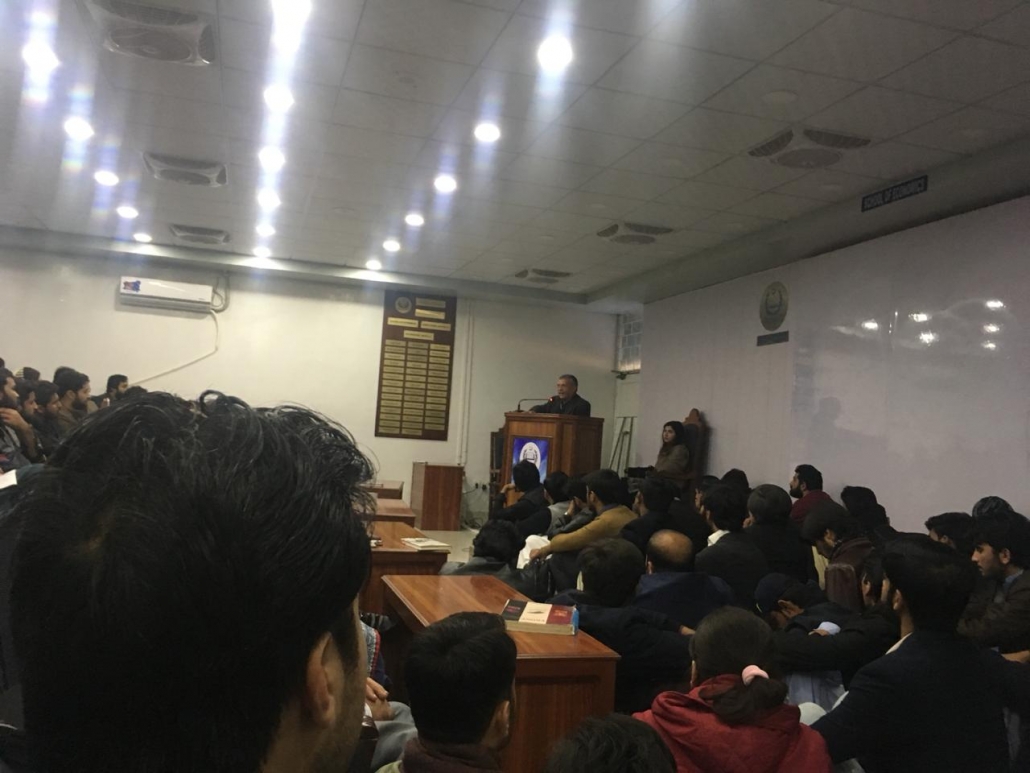
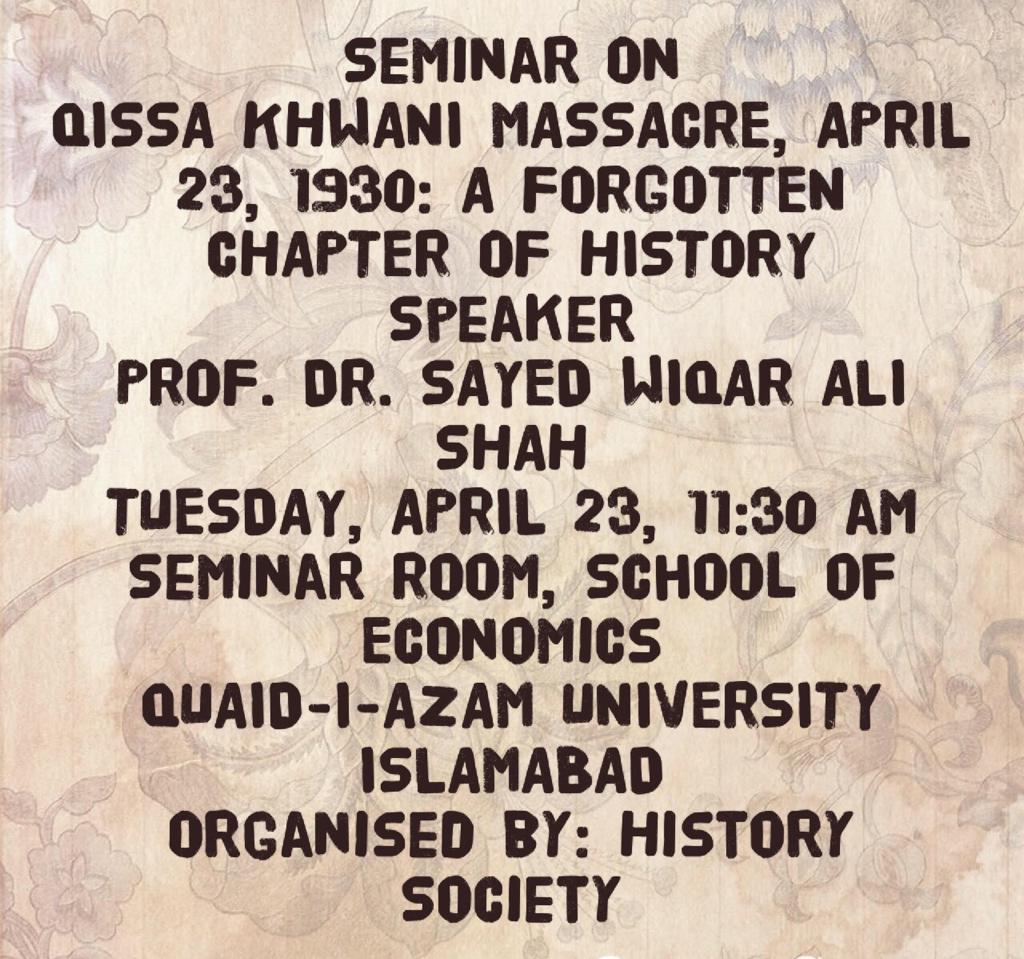
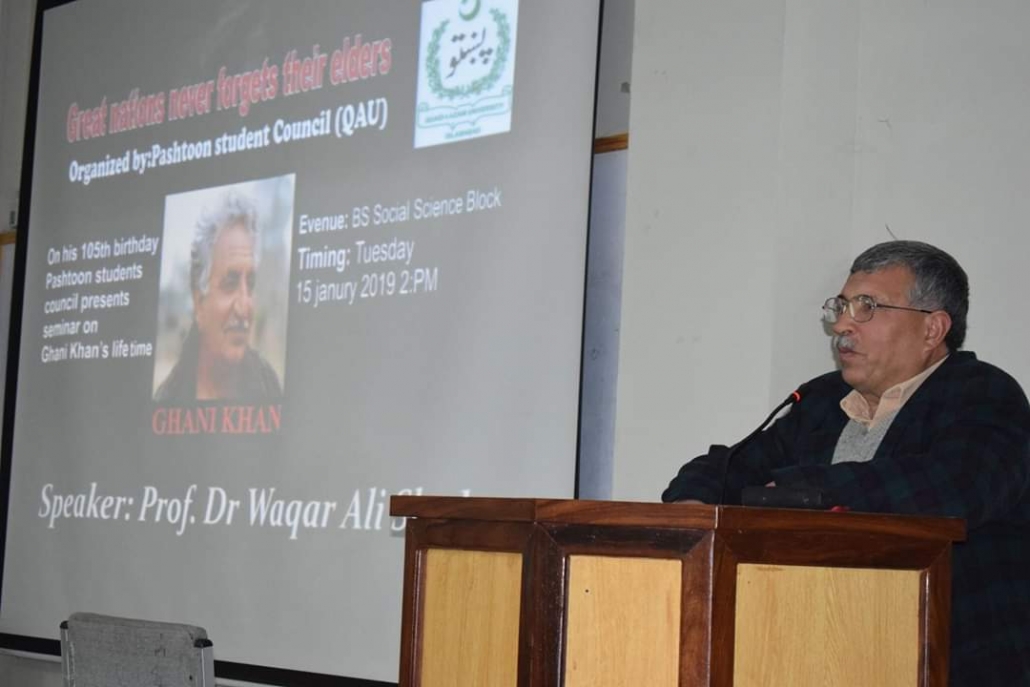
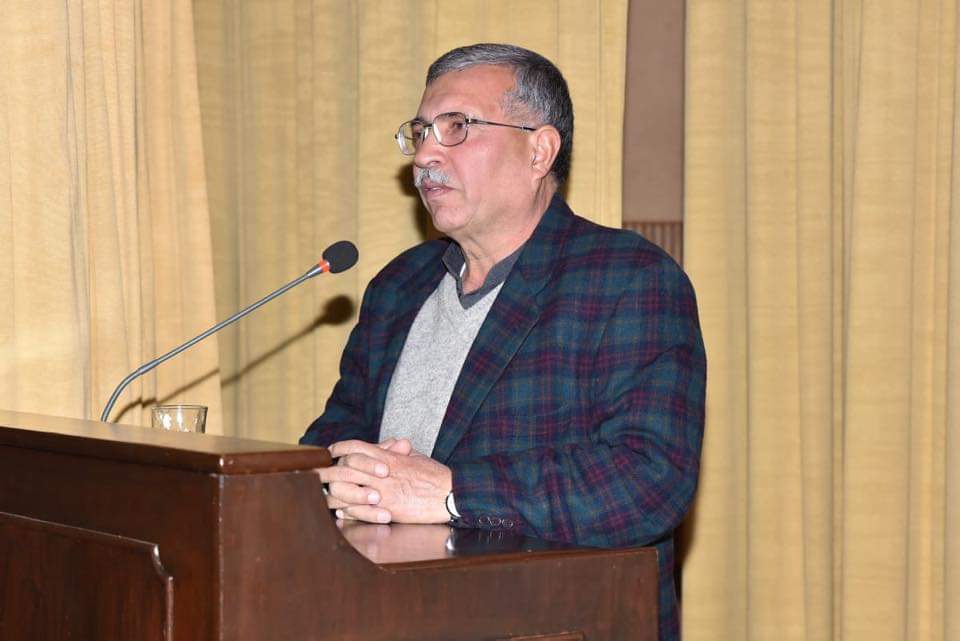
Venue: Quaid-i-Azam University, Islamabad — 26th December 2019, on the 40th anniversary of the invasion.
On 26th December 2019 — just one day before the 40th anniversary of the Soviet
invasion of Afghanistan — Quaid-i-Azam University, Islamabad hosted a landmark
seminar in which Prof. Dr. Sayed Wiqar Ali Shah shared his extraordinary
firsthand account of witnessing one of the most momentous events of the twentieth century.
Prof. Shah was present in Kabul on the fateful winter night of
27th December, 1979, when the Soviet Red Army marched into the Afghan capital.
His account — deeply personal, historically meticulous, and profoundly moving — mesmerised the
audience as he narrated the events of that night with the authority of a trained historian
who was also a living witness to history.
"I was in Kabul that winter night of 27th December, 1979. I saw the Red Army march in.
I witnessed the ouster of Hafizullah Amin. What I saw that night changed my understanding
of history — and of Afghanistan — forever."
— Prof. Dr. Sayed Wiqar Ali Shah · QAU, Islamabad, 26 December 2019
The seminar was presented in two parts: the first provided a scholarly
overview of Afghanistan's history leading up to the invasion — covering the Saur Revolution
of 1978, the internal Khalq-Parcham factional conflict within the Afghan communist movement,
and the deteriorating security situation that prompted Soviet intervention. The second part
was Prof. Shah's deeply personal eyewitness account of events as they unfolded on the ground
in Kabul that winter night.
What made the lecture unique was precisely this combination of scholarly rigour and
personal witness. Prof. Shah was not simply recounting events from books — he was
recalling what he himself saw, heard, and felt as a young researcher who happened to be in
the Afghan capital at one of the most consequential moments in modern Asian history.
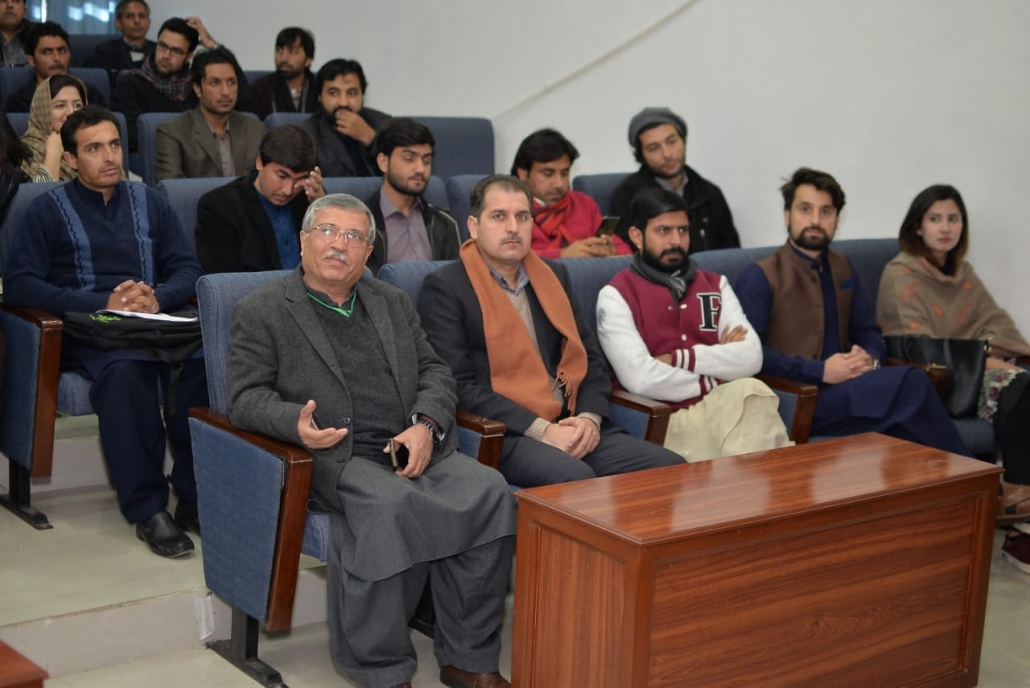
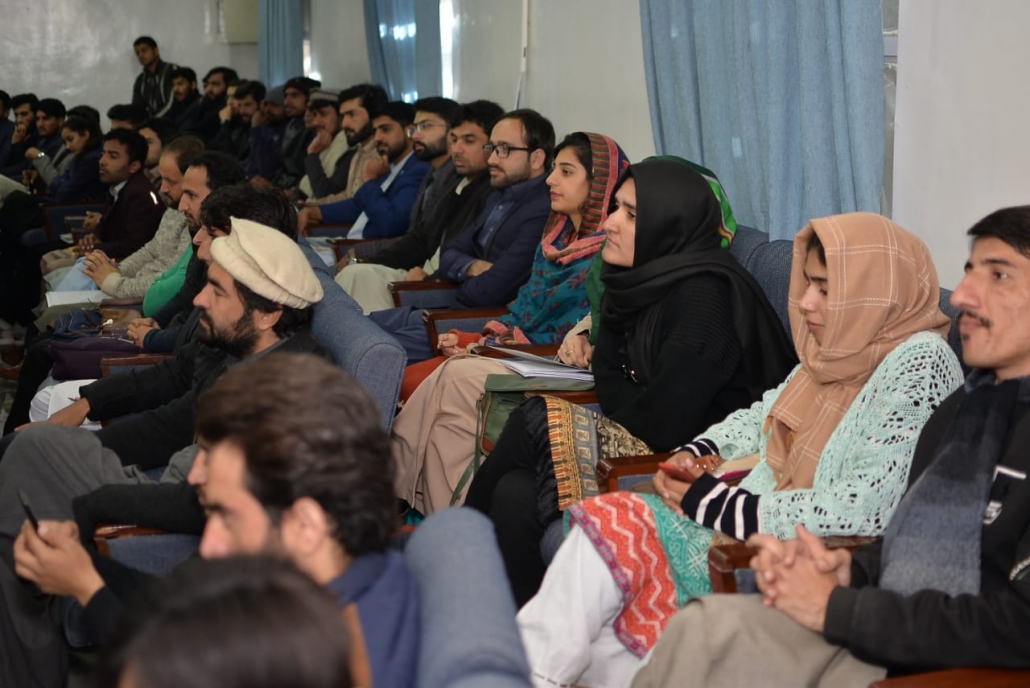
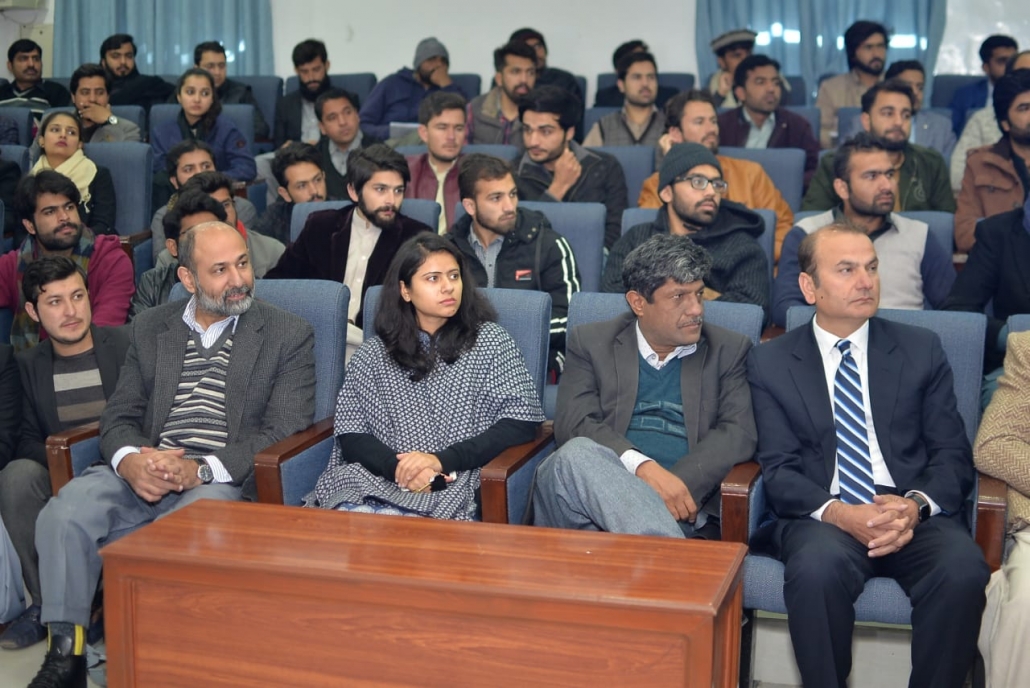
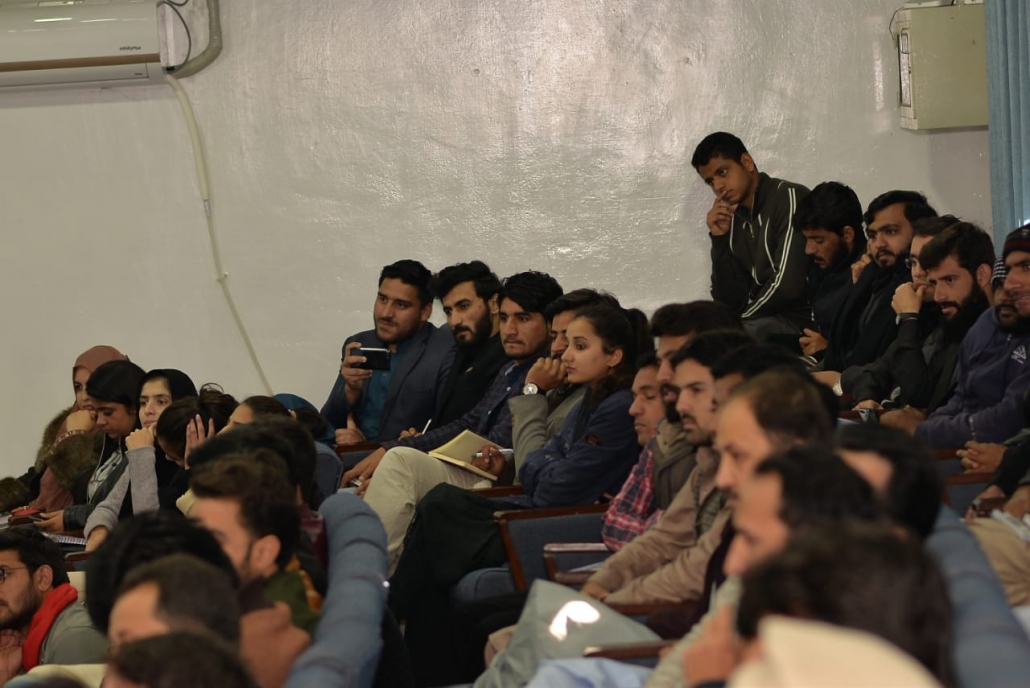
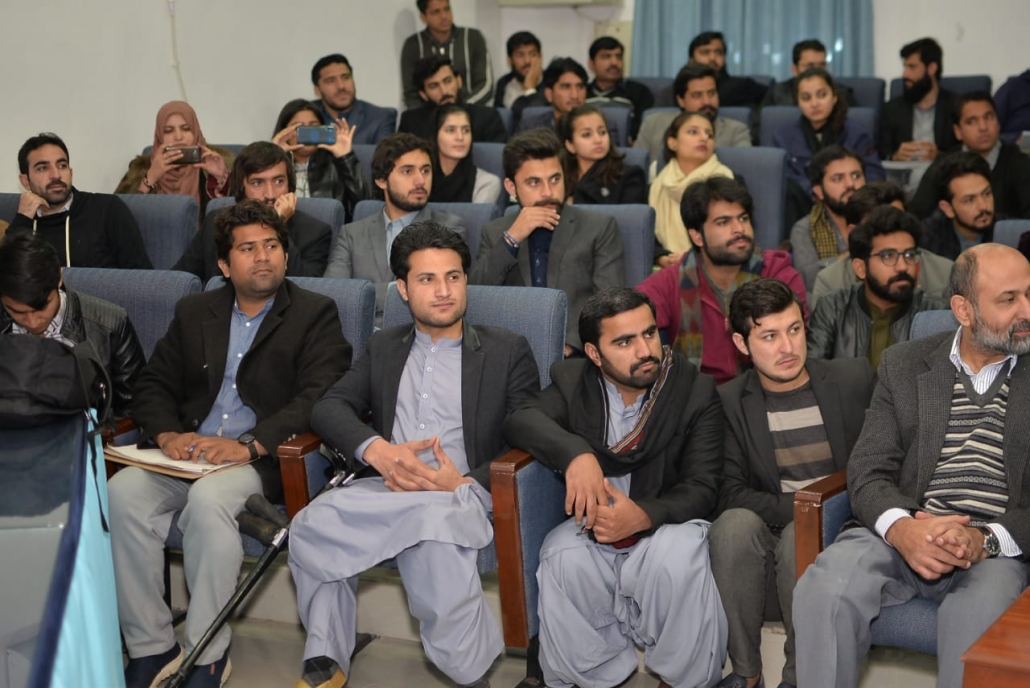
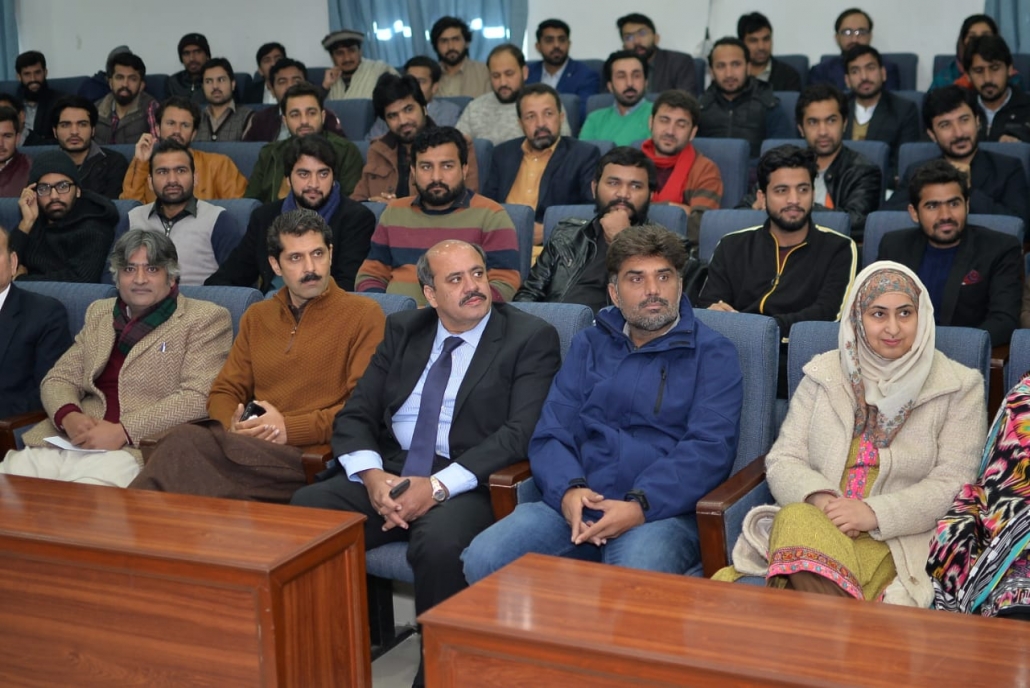
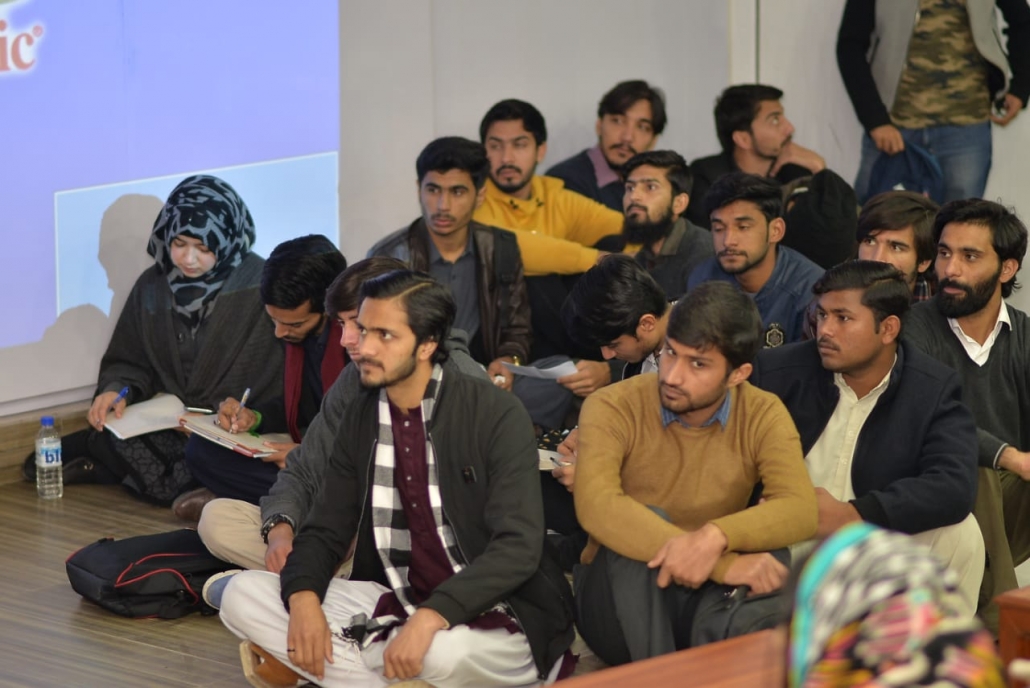
The audience — students, faculty members, and historians — sat in rapt attention throughout.
It was commonly stated afterwards that this was exactly the kind of living history that
cannot be found in any textbook, and that Prof. Shah's presence in Kabul on that night
made his testimony a unique and irreplaceable historical record.