Bacha Khan — On Non-violence
"Nonviolence is a power and has an army just like violence,
but its weapon is preaching while the weapon of violence is gun."
— Abdul Ghaffar Khan (Bacha Khan)
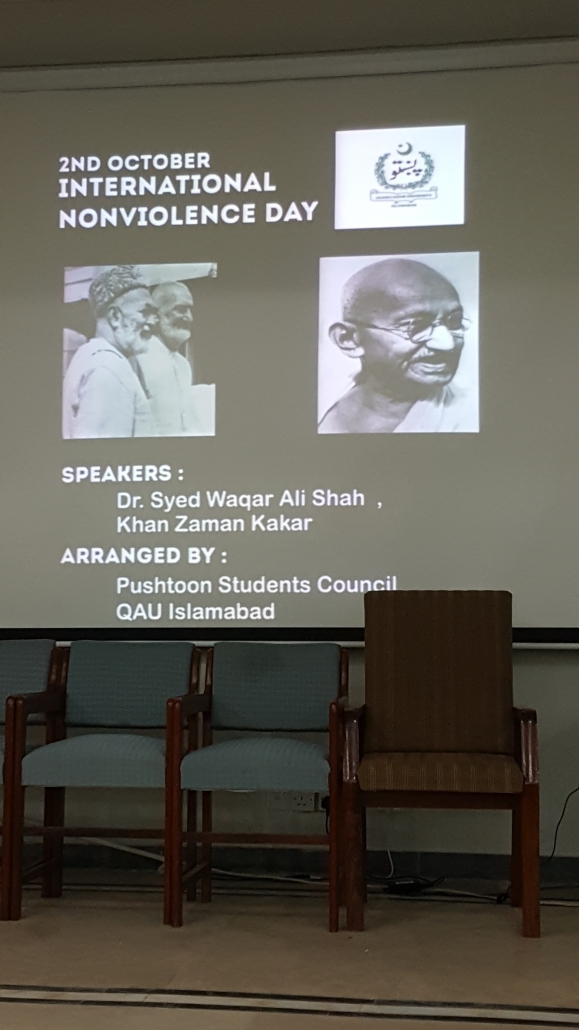
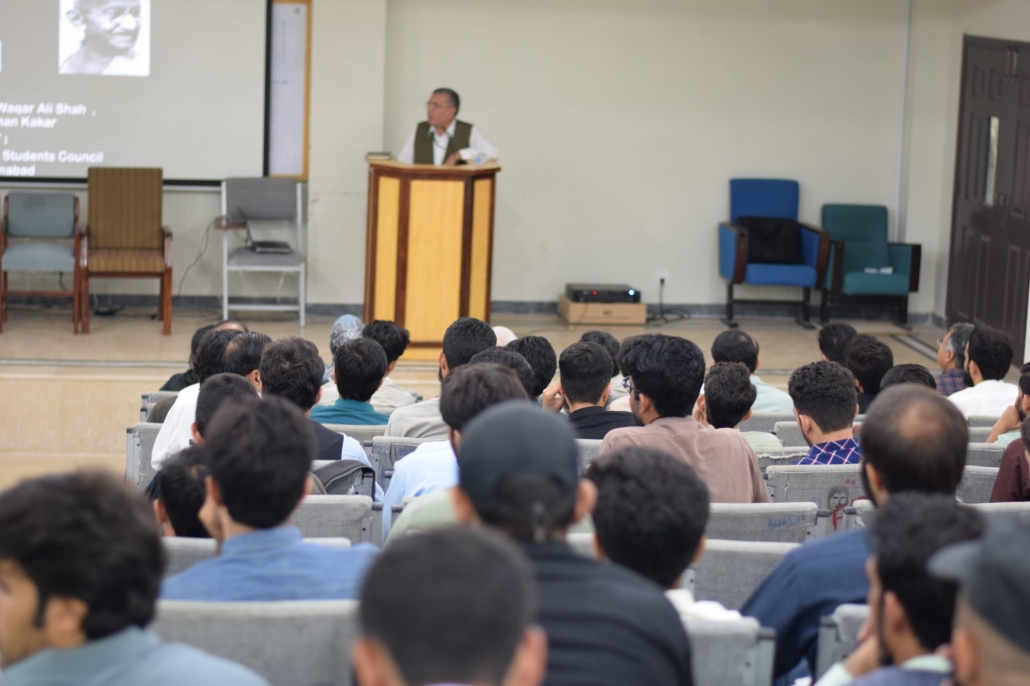
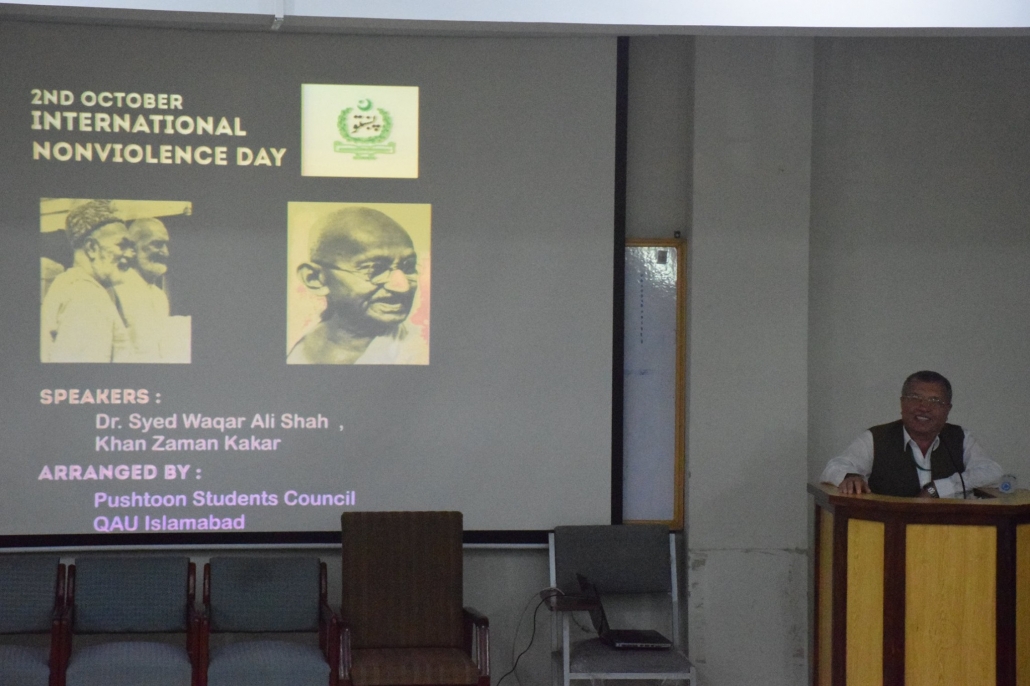
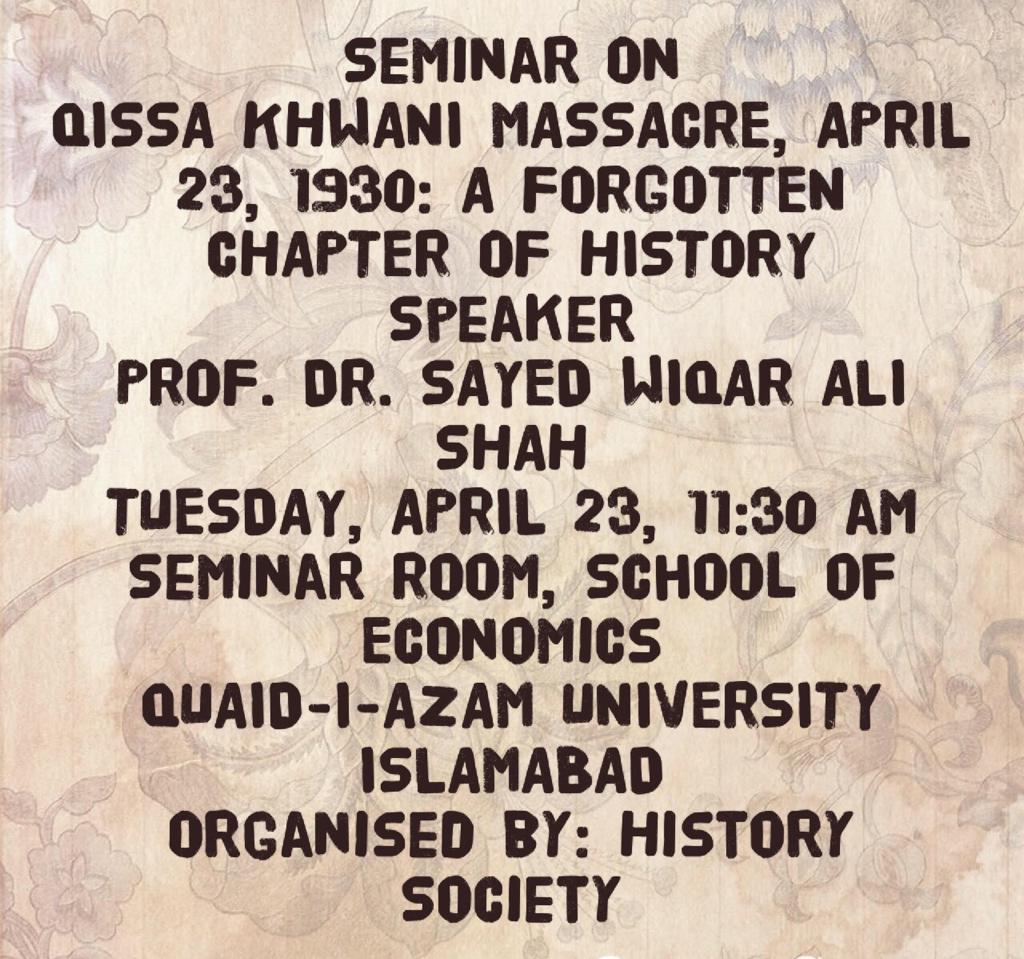
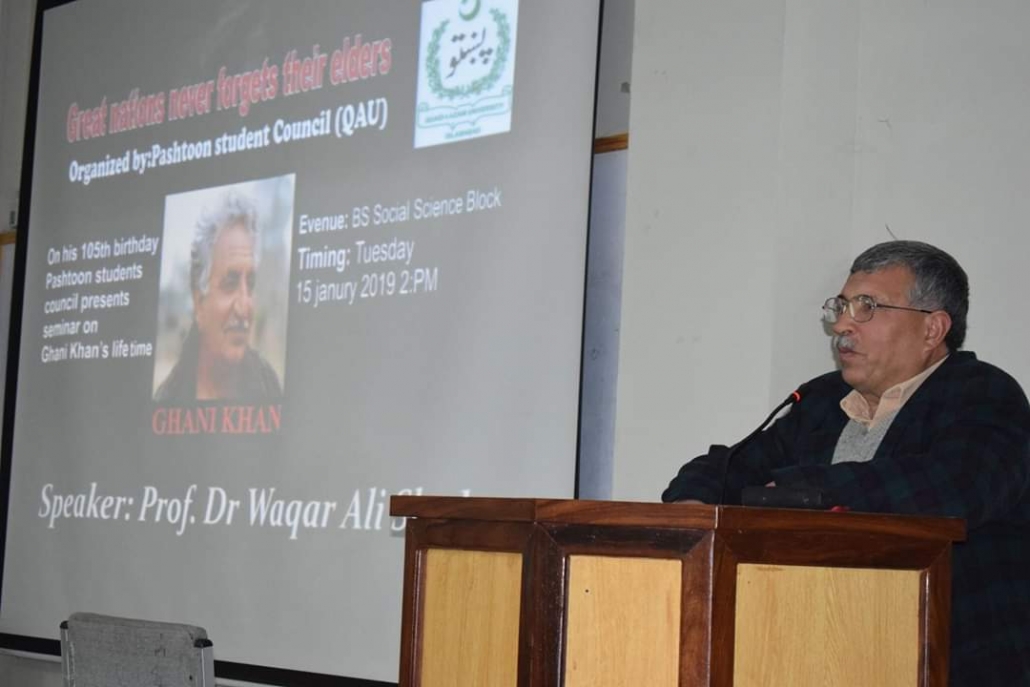
In honour of International Non-violence Day, the Pashtoon Student
Council of Quaid-i-Azam University arranged this seminar on 2nd October 2019.
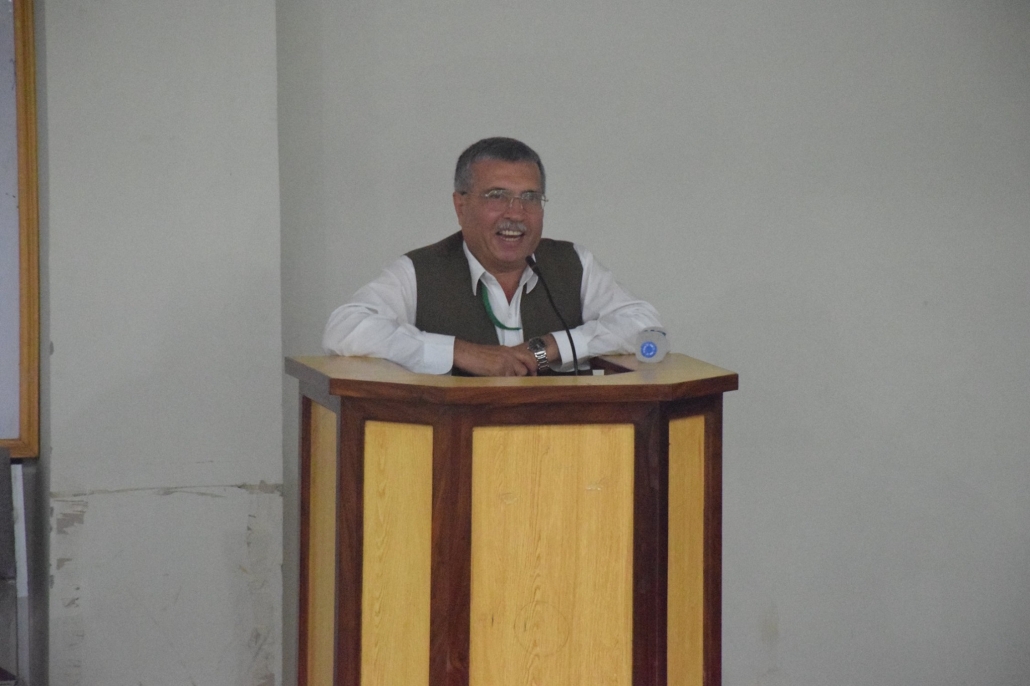
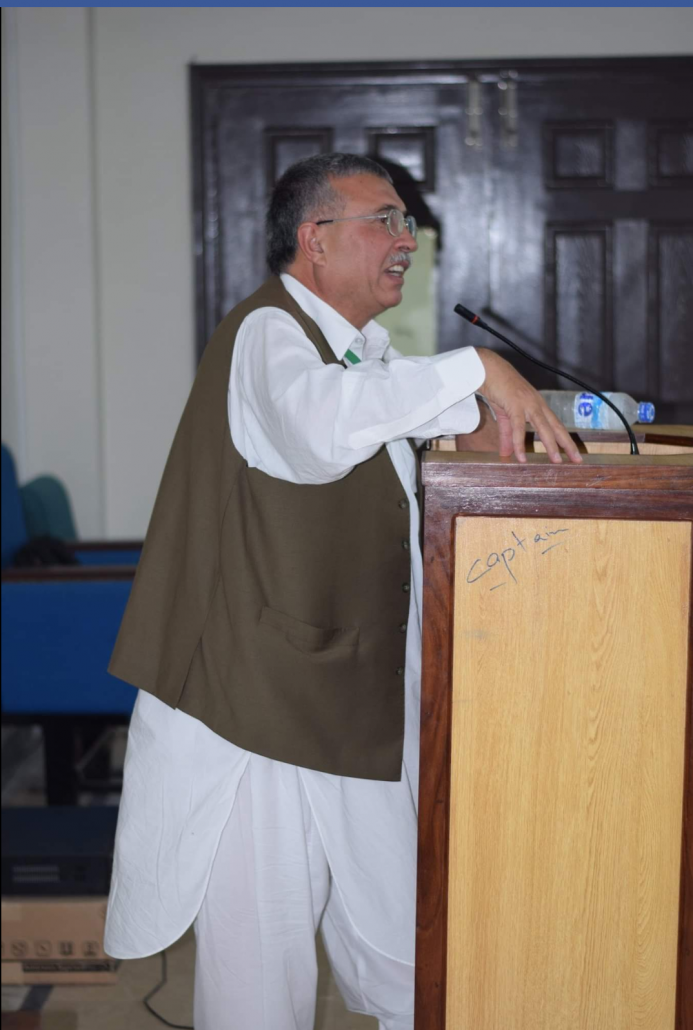
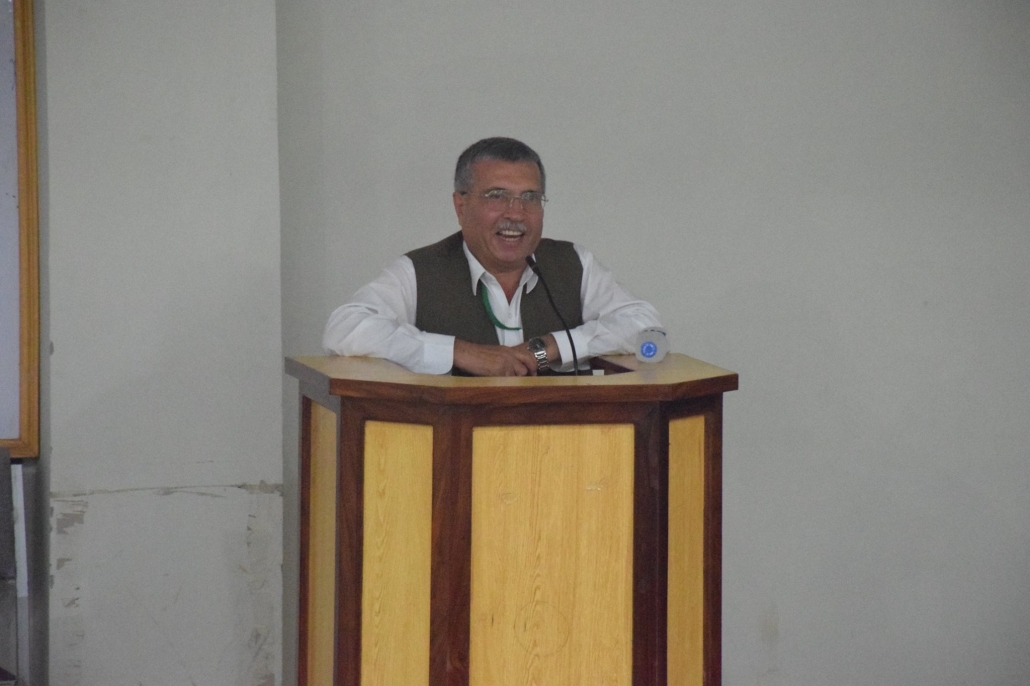
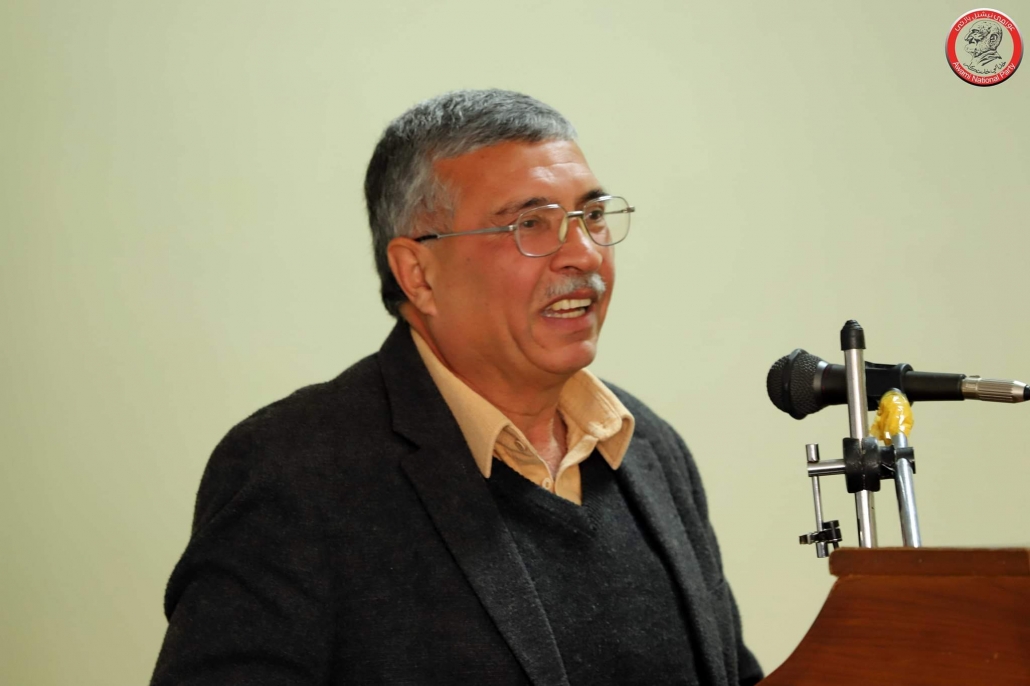
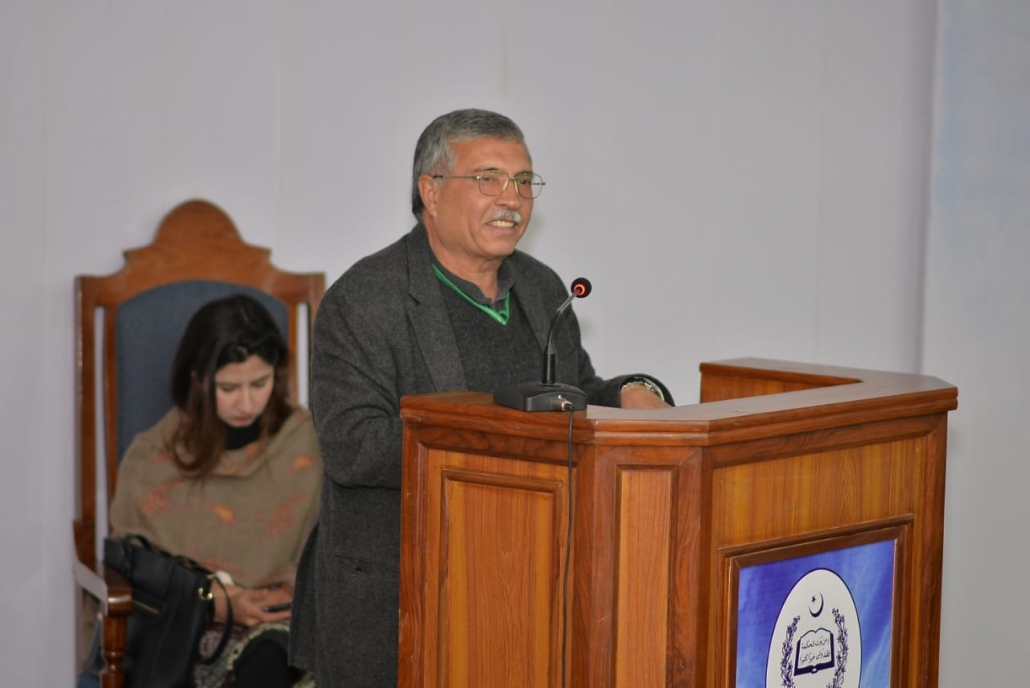
The main speaker was Prof. Dr. Sayed Wiqar Ali Shah — an internationally
recognised expert on Abdul Ghaffar Khan and the
Khudai Khidmatgar Movement — who delivered a richly documented and deeply
inspiring lecture on the philosophy and practice of non-violence in Pashtoon history and
society.
Prof. Shah opened by quoting Bacha Khan's own powerful words:
"Nonviolence is a power and has an army just like violence, but its weapon is preaching
while the weapon of violence is gun." He then elaborated upon the extraordinary
historical significance of what Bacha Khan achieved — building a non-violent mass movement
among a people that the world had always stereotyped as warriors and tribesmen.
Key Principles of the Khudai Khidmatgar Non-violence Movement
Non-violence as active resistance — not passive submission, but courageous defiance of injustice without resorting to force
Education as the weapon of liberation — Bacha Khan established hundreds of schools across the Pashtoon belt before launching the KK movement
Unity across tribe, clan and village — the KK movement brought together fractious Pashtoon communities under a single banner of service
Service to the people — the name Khudai Khidmatgar (Servants of God) encapsulated the ethos of selfless dedication to community
Women's full participation — Bacha Khan insisted women were equal partners in the freedom struggle from the very beginning
Discipline and moral character — KK members wore the red shirt uniform and followed a strict code of non-violent conduct
"The Pashtoons had a reputation as fierce and warlike people. Bacha Khan proved that
this same people — when guided by principle and love for their homeland — could build
the most disciplined non-violent army the world had ever seen."
— Prof. Dr. Sayed Wiqar Ali Shah · QAU, Islamabad, 2 October 2019
Prof. Shah situated Bacha Khan's philosophy within the broader context of the Indian
independence movement, noting the deep personal friendship and political alliance between
Bacha Khan and Mahatma Gandhi. The two leaders shared not only the
strategy of non-violence but also a conviction that genuine liberation required moral
transformation — of the oppressor, but also of the oppressed.
He described how Bacha Khan recruited over 100,000 Khudai Khidmatgars
who pledged never to use violence, never to take revenge, and never to participate in
feuds and vendettas — a remarkable transformation in a society where the badal
(revenge) code of Pashtoonwali had long governed inter-tribal relations.
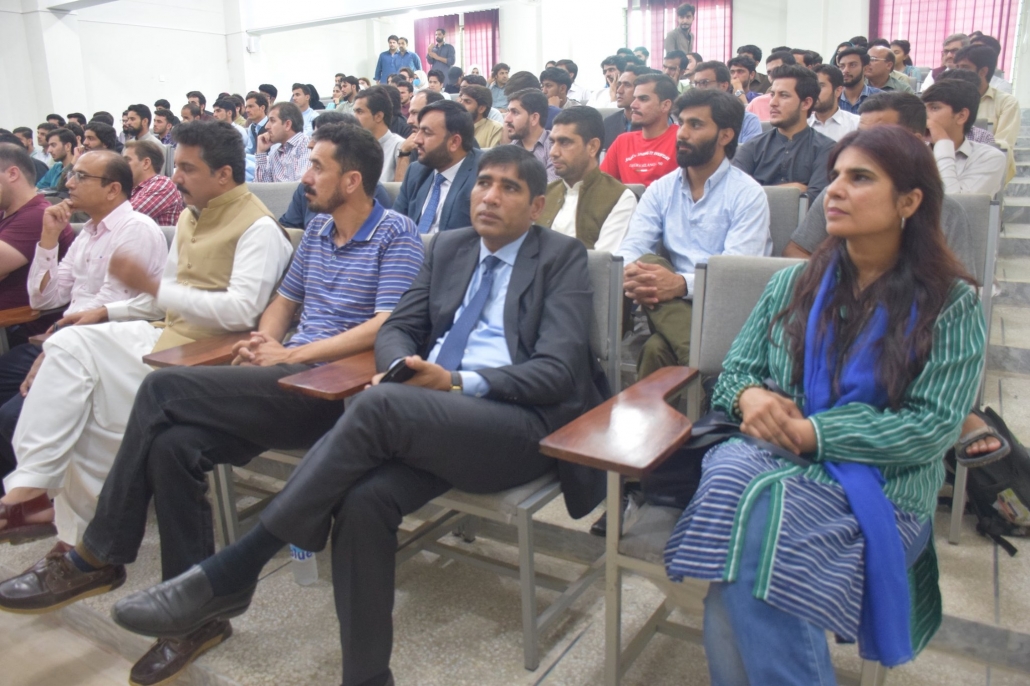
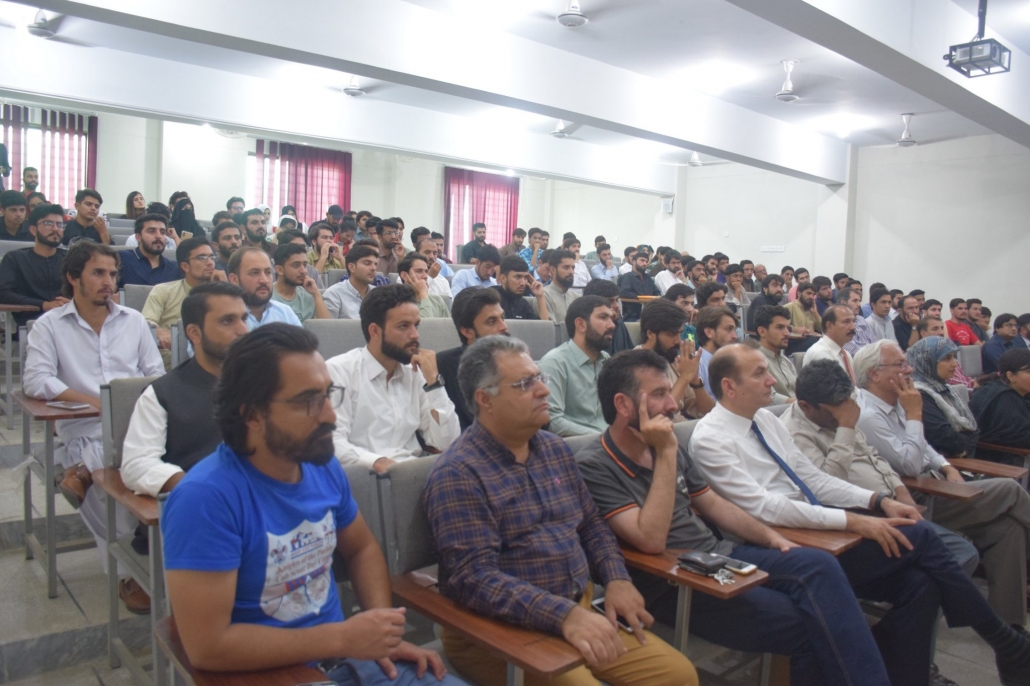
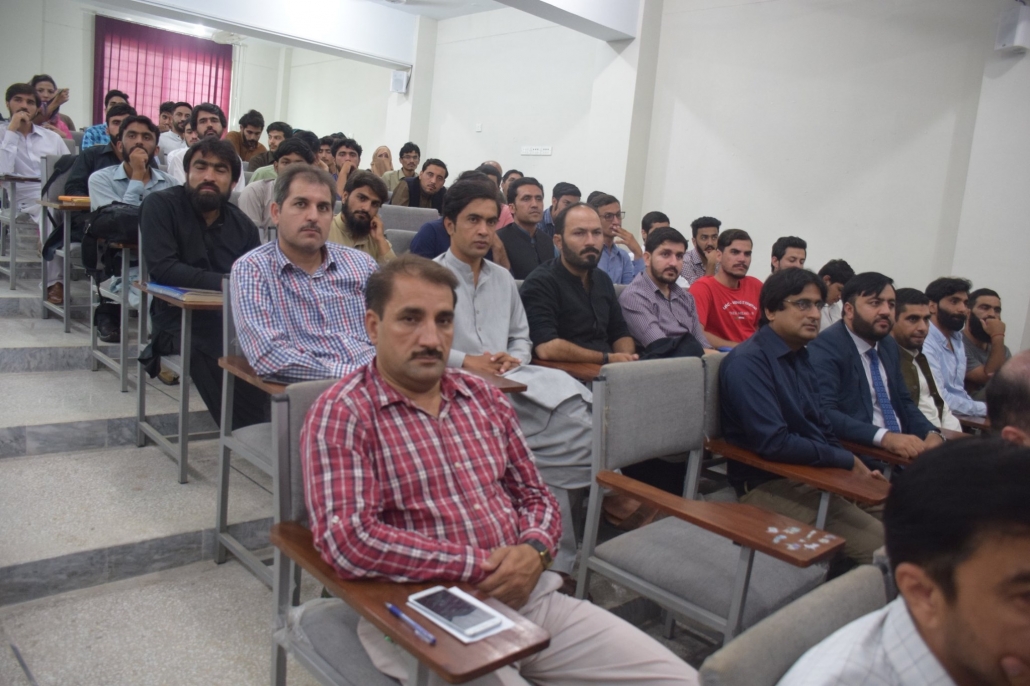
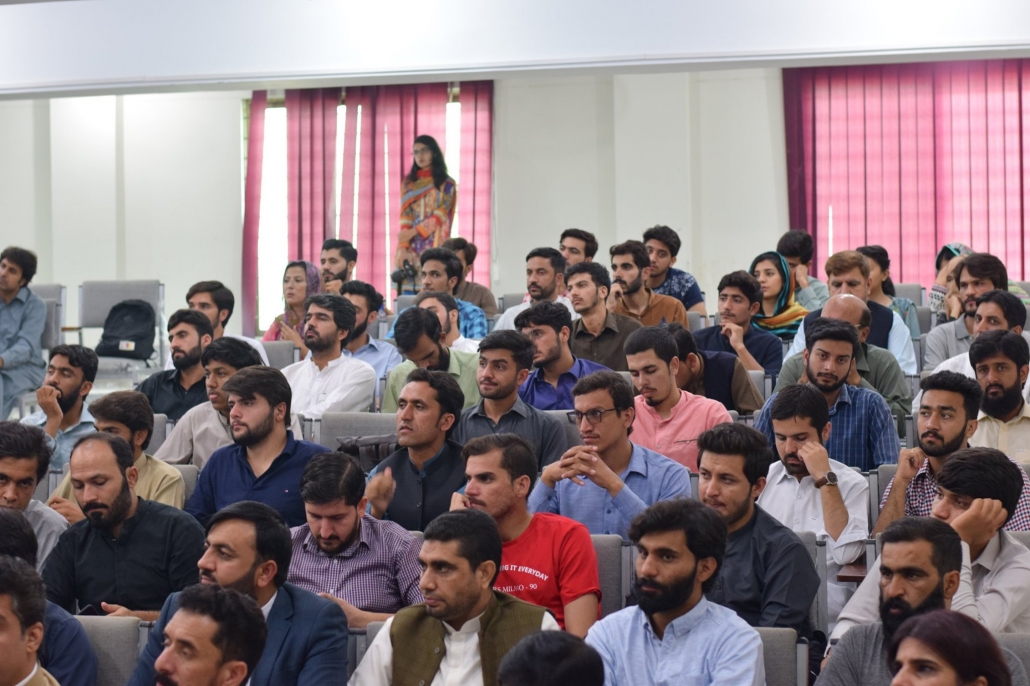
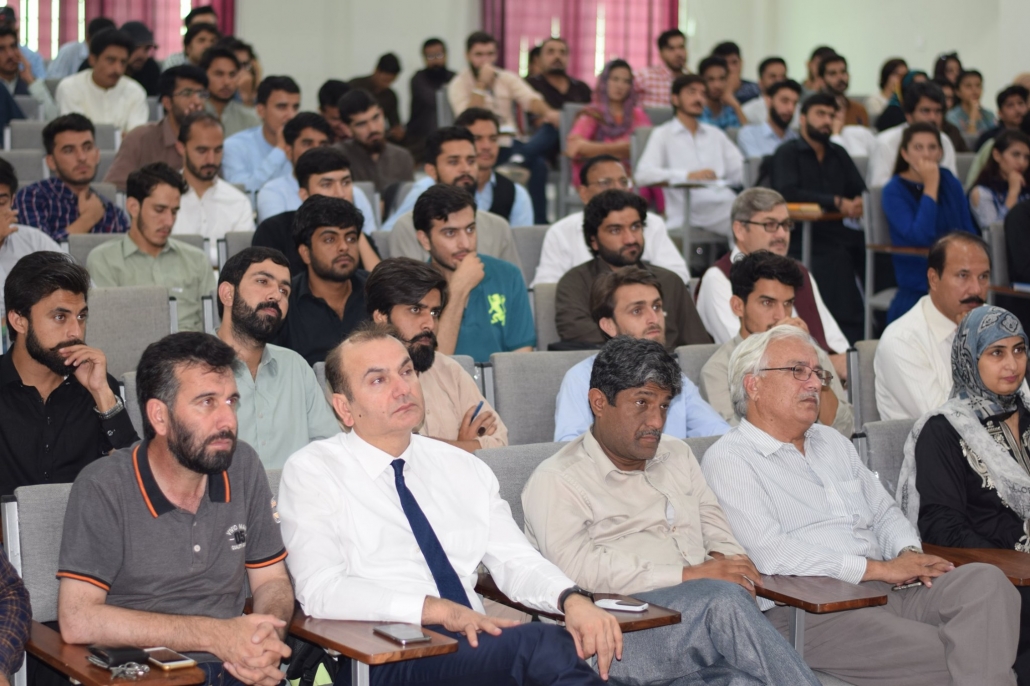
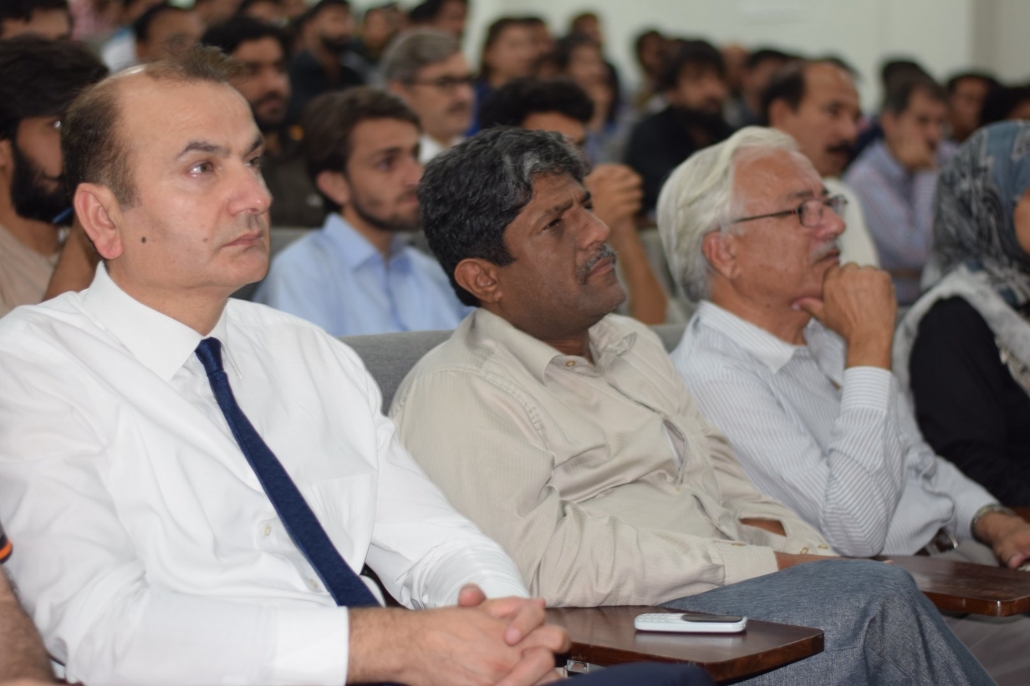
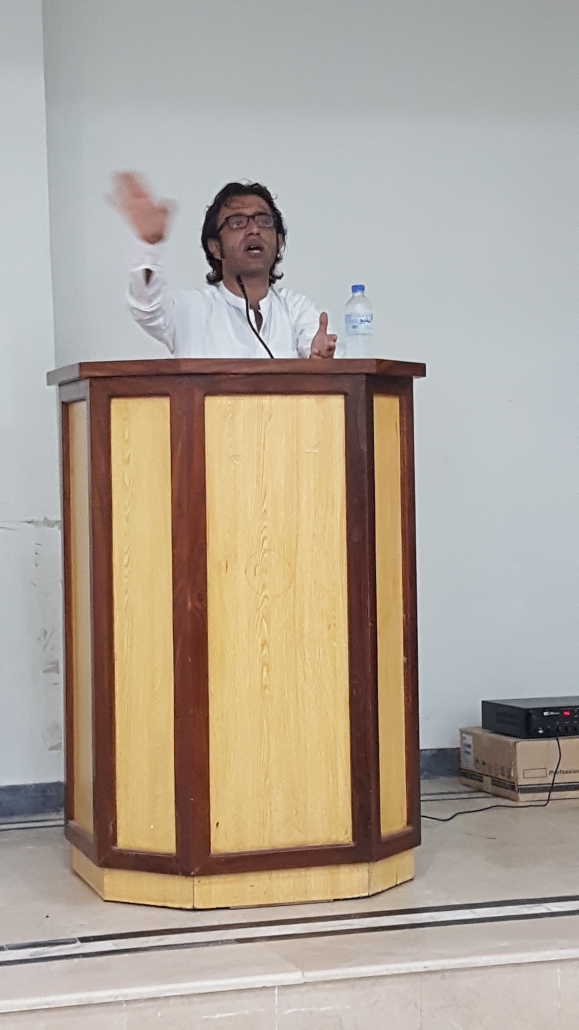
The seminar drew a large and enthusiastic audience from across QAU's academic community.
Students of history, political science, and international relations engaged in lively
discussion following Prof. Shah's address, debating the relevance of Bacha Khan's
non-violent philosophy to contemporary Pakistan, Afghanistan, and the wider Pashtoon
world today.