Historical Background
Location: Qissa Khwani Bazar (Street of Storytellers), Peshawar — one of the most historic and bustling streets of the ancient city, long used as a meeting place for travellers, traders and merchants.
Date of Massacre: 23rd April 1930 — a day that would become one of the darkest in the history of British India's frontier.
Victims: Innocent, unarmed Pashtoon civilians — many of them supporters of the Khudai Khidmatgar movement — who were brutally killed by British Indian colonial forces. The exact number of those who lost their lives was never officially acknowledged in mainstream history books.
Context: The massacre occurred during the Civil Disobedience Movement of 1930, when Pashtoons peacefully resisted colonial rule under the leadership of Abdul Ghaffar Khan (Bacha Khan).
The Qissa Khwani Bazar Massacre of April 23rd, 1930 stands as one of the most tragic and yet most overlooked events in the history of the Indian subcontinent's struggle for freedom. On this day, British Indian colonial forces opened fire on an unarmed and peaceful crowd of Pashtoon civilians in the historic bazaar of Peshawar — killing scores of men who had gathered in support of the Civil Disobedience Movement.
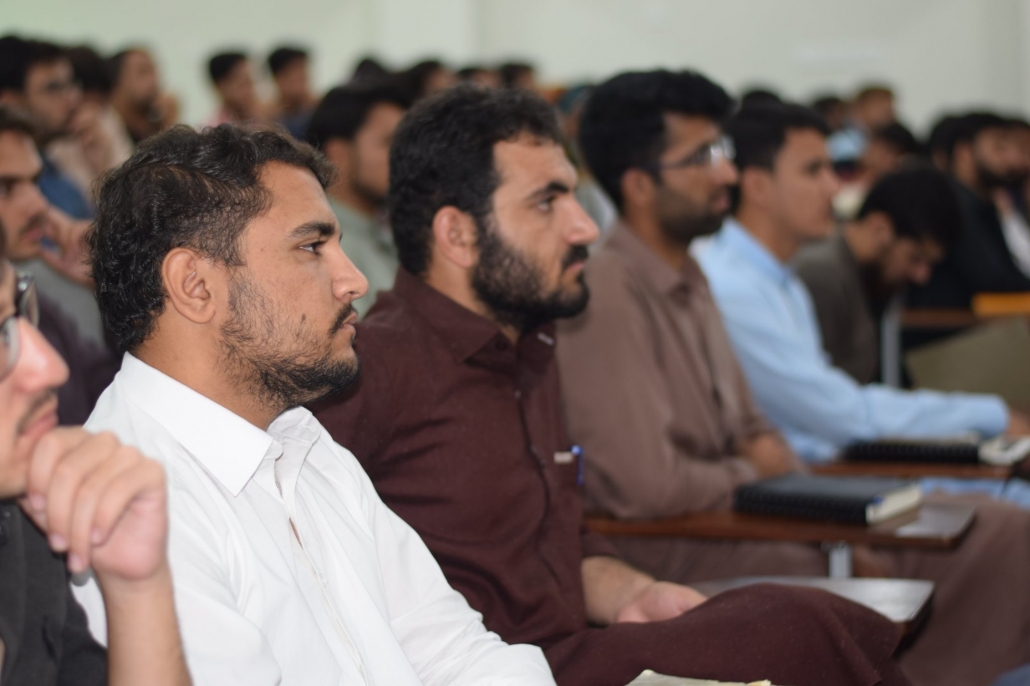
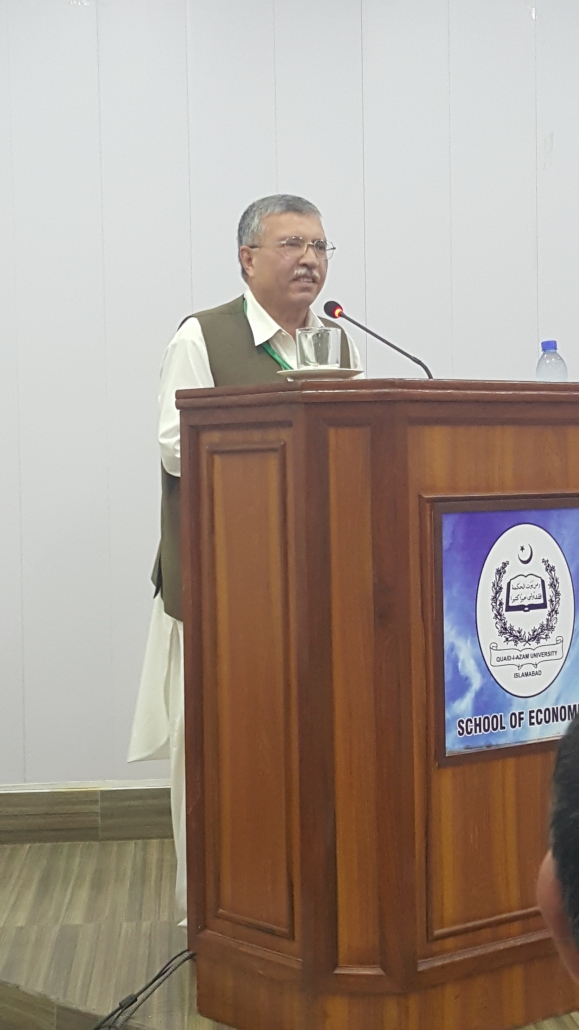
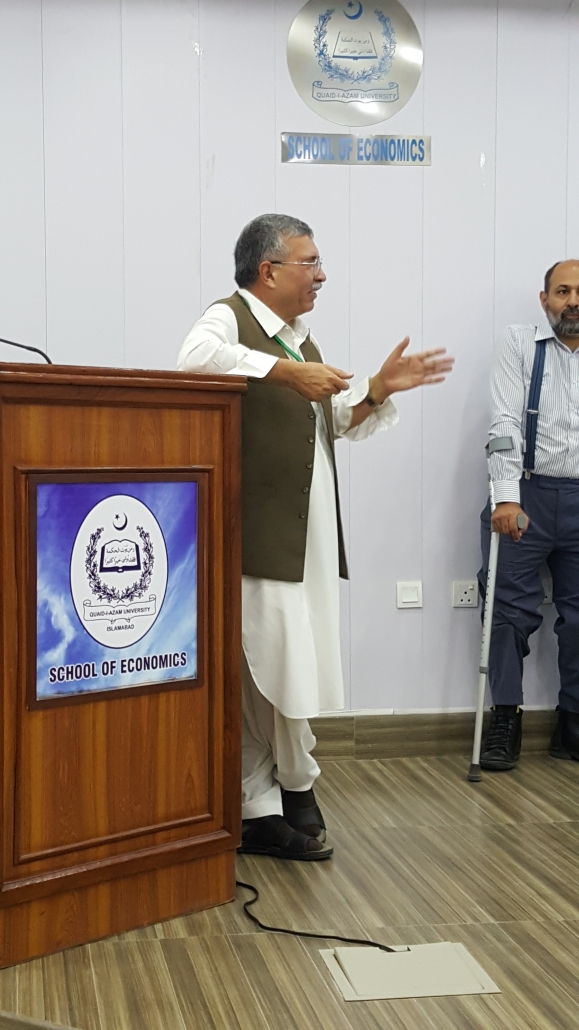
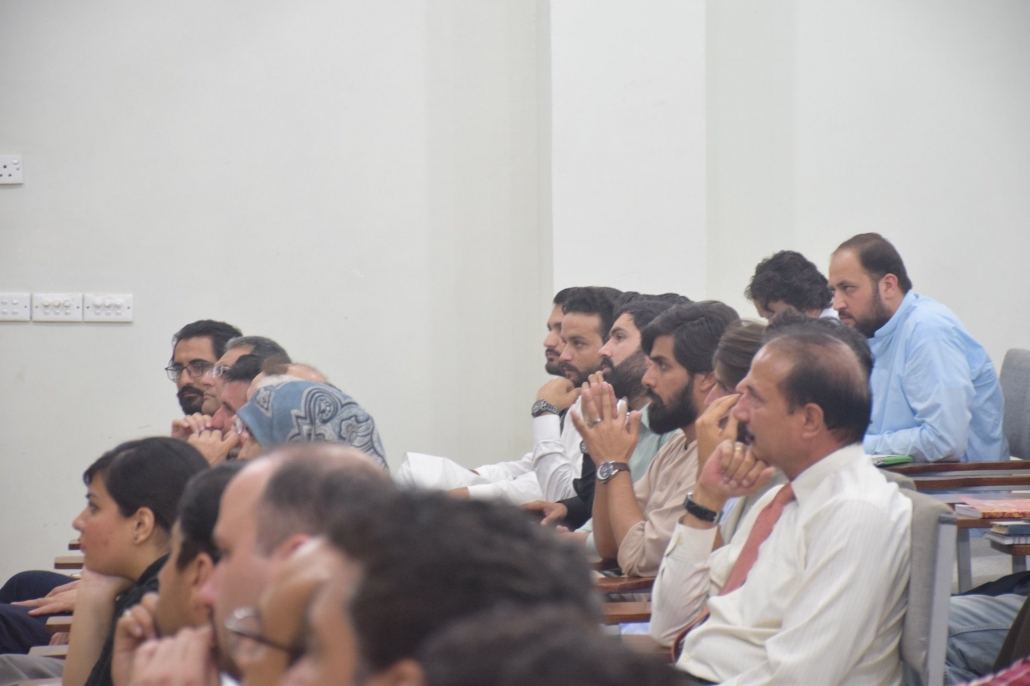
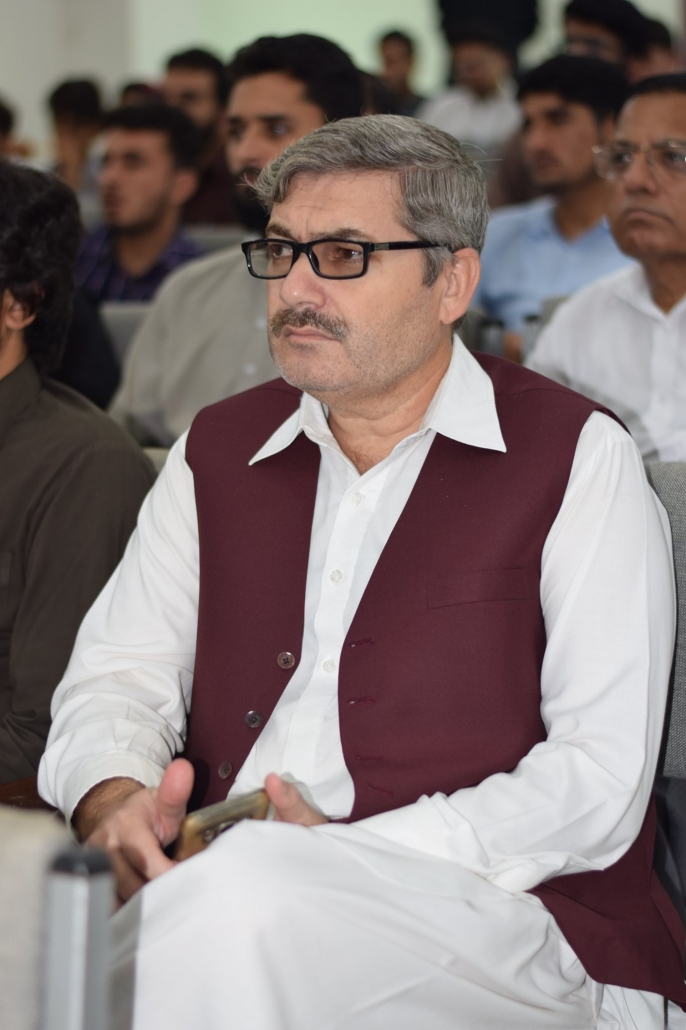
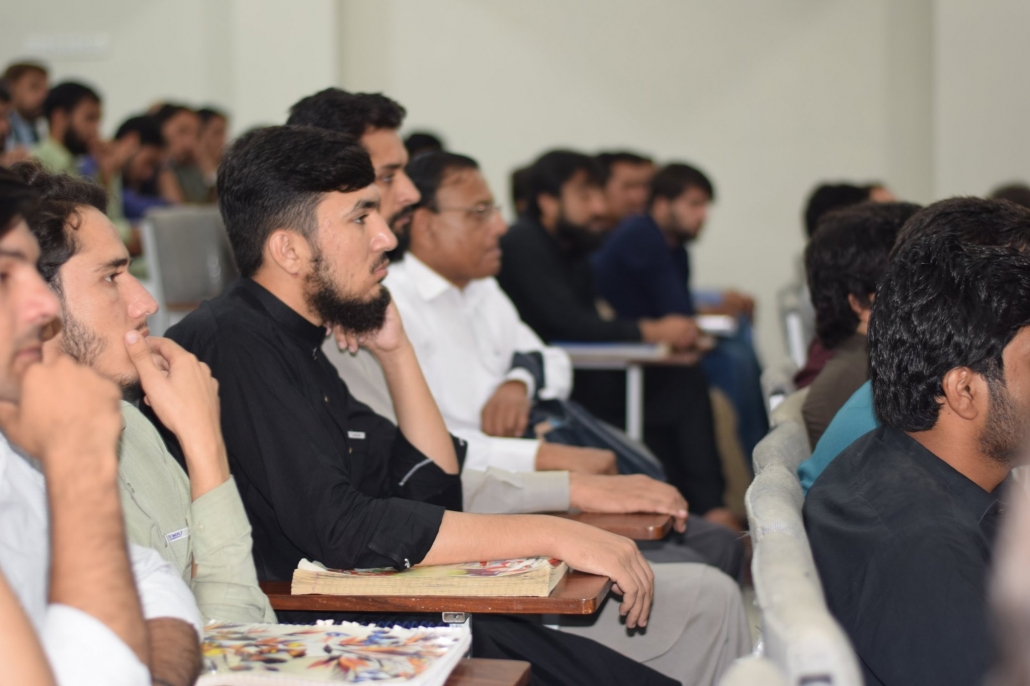
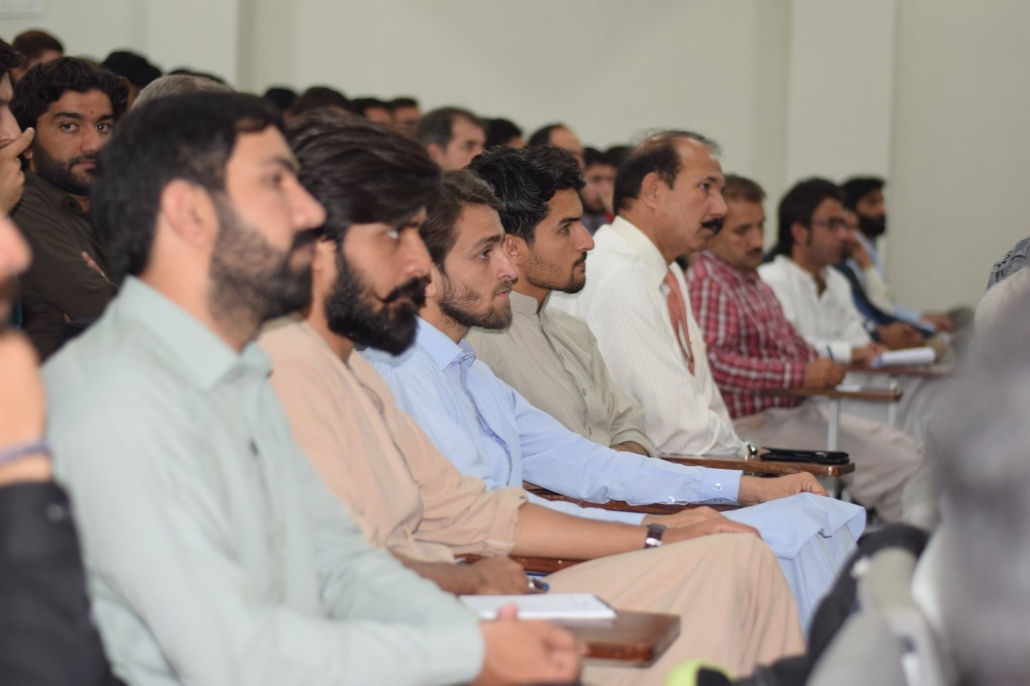
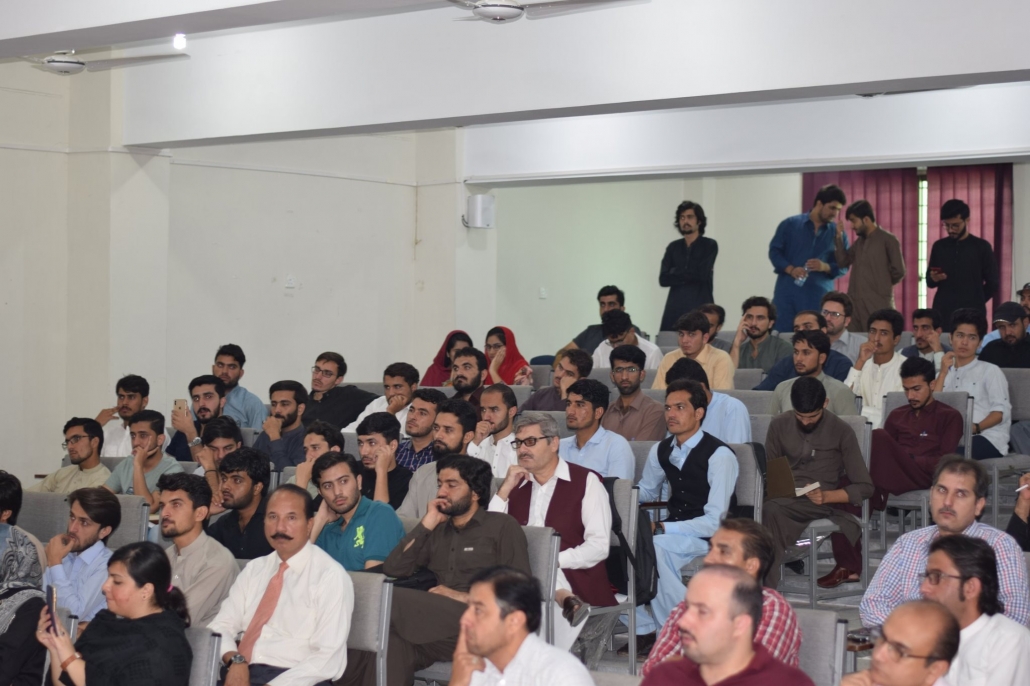
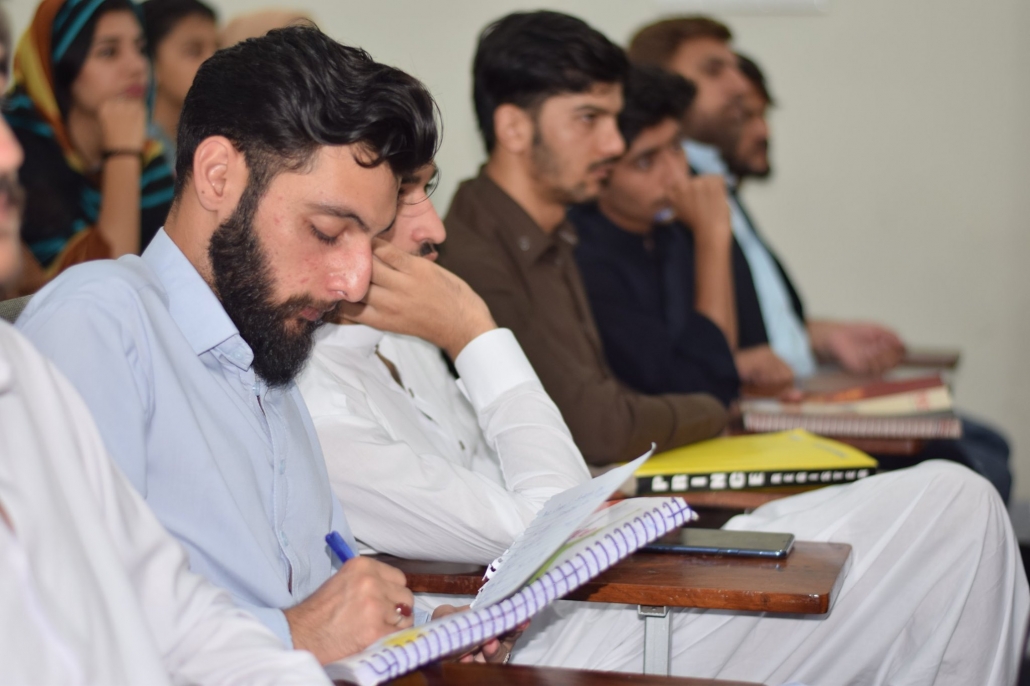
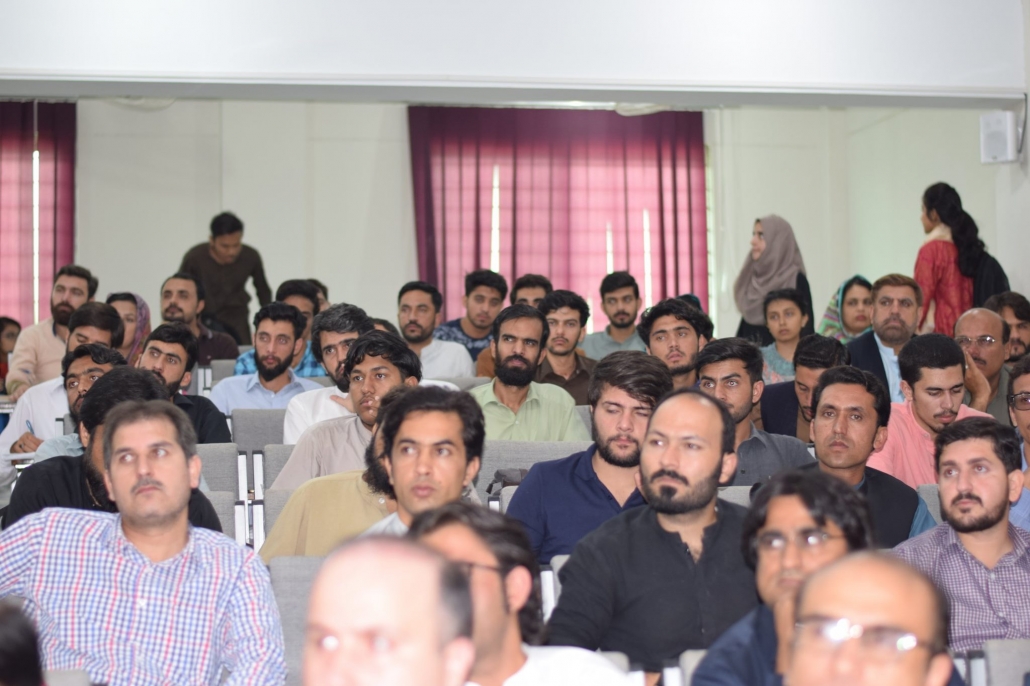
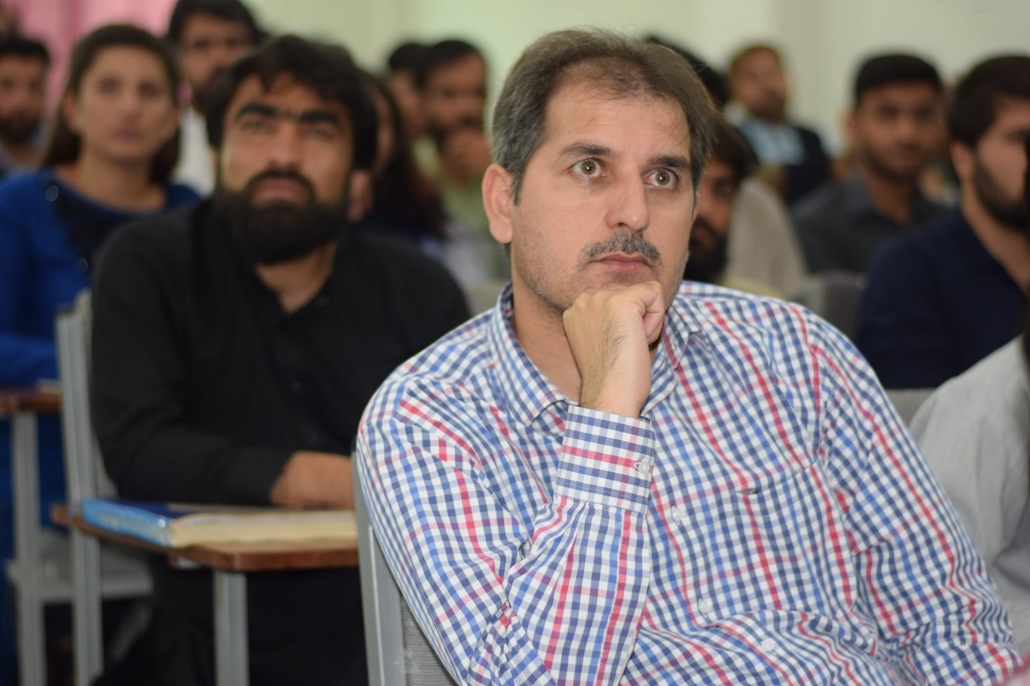
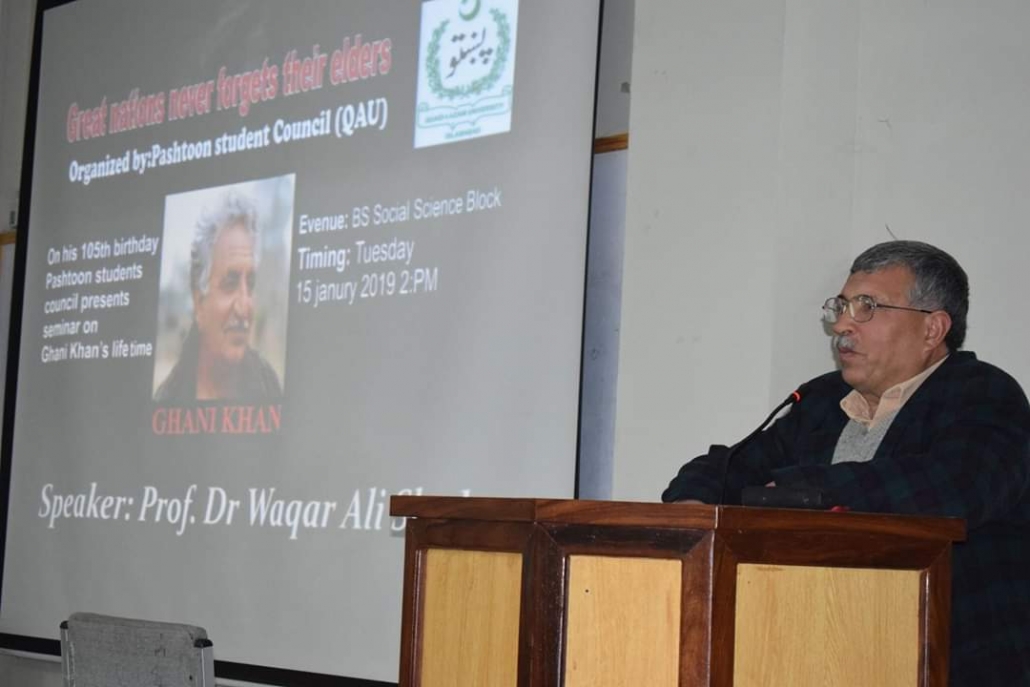
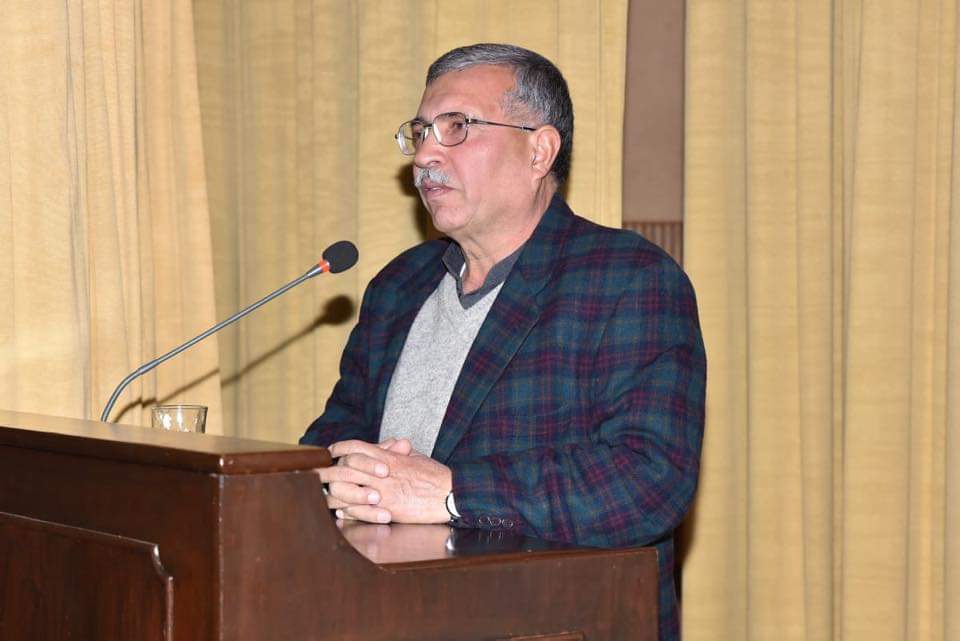
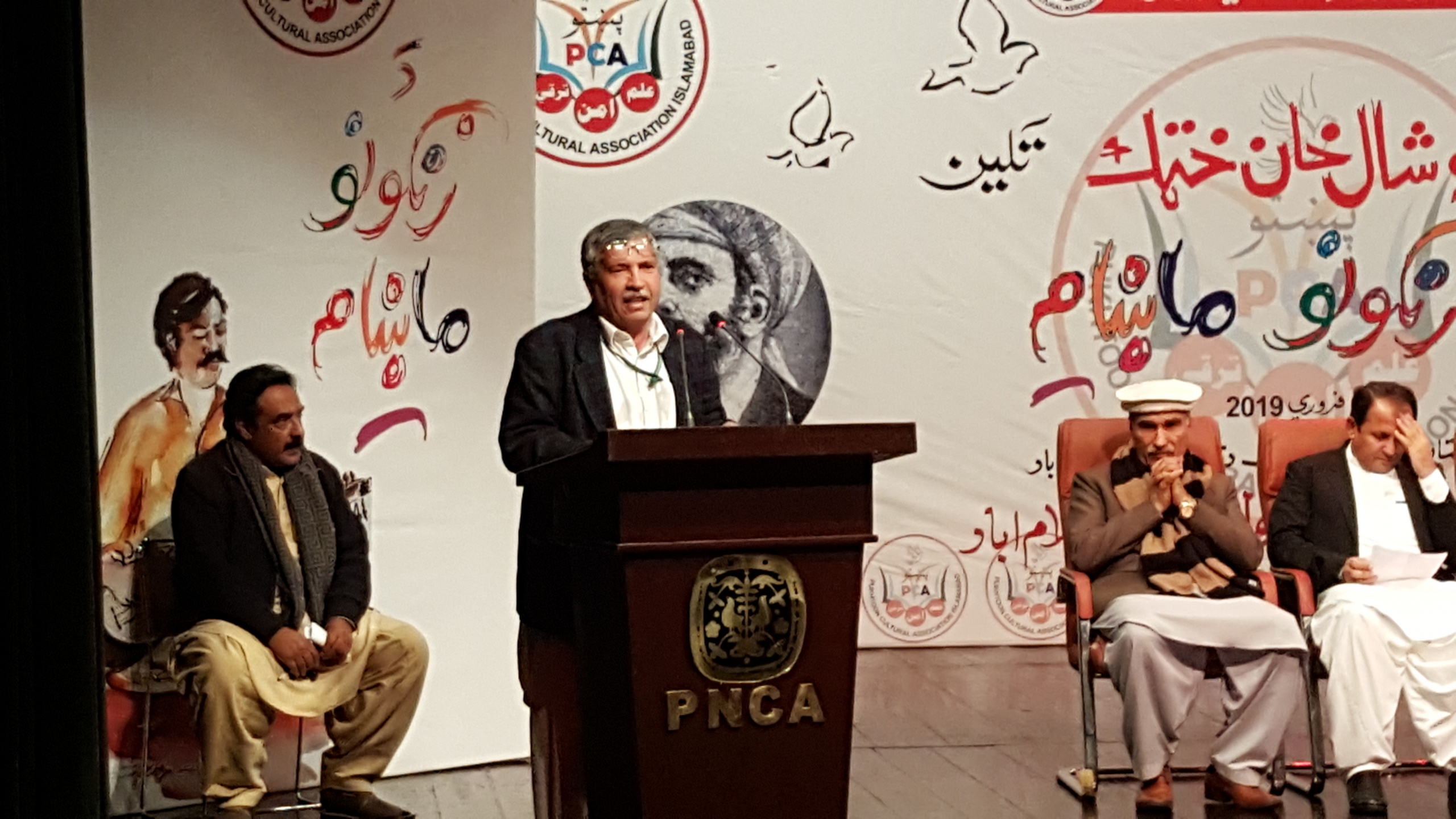
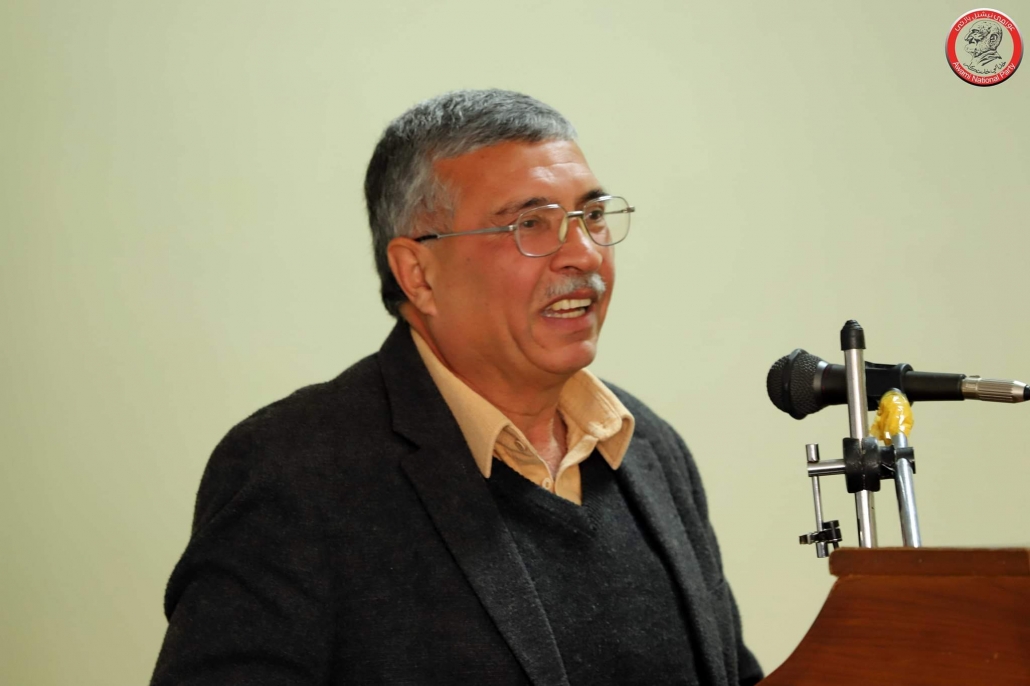
This seminar at Quaid-i-Azam University, Islamabad was organised to shed authentic light on this largely forgotten chapter of history. Prof. Dr. Sayed Wiqar Ali Shah — Pakistan's foremost authority on the Khudai Khidmatgar Movement and Pashtoon colonial history — delivered a detailed and deeply researched account of the events of that fateful day.
"The exact number of those who lost their lives were not given in our history books. It is the responsibility of historians to restore this forgotten chapter to its rightful place in the story of our freedom."
— Prof. Dr. Sayed Wiqar Ali Shah · QAU, Islamabad, 23 April 2019
Dr. Shah's account drew on his own published research, emphasising that the Qissa Khwani Massacre was not merely a local tragedy but a watershed moment in the broader story of South Asian resistance to colonialism. He highlighted the extraordinary courage of the Pashtoon people — who, under Bacha Khan's leadership and the philosophy of non-violence, did not retaliate even as they were being shot.
He also drew attention to the remarkable act of conscience by Garhwali soldiers — Hindu soldiers from present-day Uttarakhand — who refused to fire on the unarmed Muslim crowd and were subsequently court-martialled. This cross-communal solidarity, Dr. Shah argued, was proof that the freedom struggle transcended the religious divisions that colonial propaganda sought to exploit.
The seminar served as a powerful reminder that the history of Pakistan is incomplete without honest acknowledgement of Pashtoon sacrifice — and that the erasure of such events from official history books is itself an act of injustice that continues to distort national identity and memory.